
1. INTRODUCTION
Bipolar disorder is a chronic psychiatric condition characterized by recurrent episodes of mania, hypomania, and depression. Bipolar I disorder is defined by the occurrence of at least one manic episode, whereas bipolar II disorder is characterized by hypomanic and major depressive episodes without a history of mania.1 Manic and hypomanic episodes involve elevated or irritable mood, increased energy or activity, and associated changes in cognition and behavior; depressive episodes involve persistent low mood or loss of interest accompanied by other cognitive and somatic symptoms.2
Bipolar disorder affects people across socioeconomic, national, and ethnic groups and has a substantial heritable component, estimated at approximately 70%.3,4 Estimates of prevalence vary according to the diagnostic definitions and populations studied. The condition is associated with substantial morbidity and premature mortality, including elevated risks of suicide and death from natural causes such as cardiovascular disease.3,5
Bipolar and related disorders include bipolar I disorder, bipolar II disorder, cyclothymic disorder, and other specified or unspecified bipolar disorders. Bipolar I disorder requires at least one manic episode; major depressive and hypomanic episodes may occur but are not required for the diagnosis. Bipolar II disorder requires at least one hypomanic episode and at least one major depressive episode, with no history of a manic episode. Cyclothymic disorder is characterized by prolonged periods of fluctuating hypomanic and depressive symptoms that do not meet full episode criteria.4
Bipolar disorder is typically a recurrent condition requiring long-term management. Pharmacotherapy and psychosocial interventions can reduce acute symptoms and help prevent recurrence, although treatment adherence and adverse effects remain important clinical challenges.6 Depending on the clinical phase and patient characteristics, treatment may include mood stabilizers and antipsychotic medications.7–9 Lithium is an established option for acute and maintenance treatment and can reduce the risk of relapse.10 Treatment selection must account for potential adverse effects, including metabolic complications, akathisia, sedation, and reproductive considerations.11,12
The etiology of bipolar disorder is multifactorial and includes genetic, neurobiological, and environmental influences.13 Among people with established bipolar disorder, mood episodes may be precipitated by factors such as psychosocial stress, sleep or circadian disruption, substance use, medication changes, and reproductive or hormonal events.13,14 Identifying such episode-level triggers is clinically important because it may support relapse prevention and earlier intervention. Neuroimaging studies have also identified alterations in neural circuits involved in emotional processing and cognitive control; however, these findings should not be interpreted as direct evidence that a particular brain-region imbalance triggers an individual episode.15
Bibliometric analysis provides a systematic method for evaluating research trends, identifying influential contributors, and uncovering gaps in knowledge. By mapping the structure and evolution of scientific literature, bibliometric approaches can offer insights into how a field has developed and where future research efforts should be directed. Therefore, the aim of this study is to characterize the global research landscape on triggers of bipolar disorder and identify key areas for future investigation.
2. METHODS
A bibliometric analysis was conducted to characterize publication trends, collaborative structures, and thematic patterns related to triggers of bipolar disorder. The present bibliometric review was conducted in accordance with the BIBLIO reporting guidelines,16 which provide a structured framework for methodological rigor, transparency, and reproducibility in bibliometric research. Consistent with these standards, we began by clearly defining the research question, scope, and time horizon, followed by the development of an explicit and reproducible search strategy. The Web of Science Core Collection was selected as the primary data source based on its established indexing quality and compatibility with bibliometric software. Search terms were constructed iteratively and documented precisely, enabling full replication.
Following BIBLIO recommendations, inclusion and exclusion criteria were established a priori and applied uniformly during screening. Data extraction included complete bibliographic records, citation metadata, author affiliations, and keyword descriptors. All analytic procedures—such as co-authorship mapping, keyword co-occurrence analysis, and citation network evaluation—were performed using validated tools, including VOSviewer, with parameters (e.g., thresholding, normalization methods, cluster resolution) explicitly reported.
2.1. Search strategy
The analysis employed data retrieved from the Web of Science Core Collection (WoSCC), selected for its coverage of peer-reviewed biomedical literature and citation metadata. The search strategy was developed iteratively to balance specificity and sensitivity. The final query used the Web of Science Topic Search (TS) field, which searches titles, abstracts, author keywords, and Keywords Plus. The search string was: TS=(“bipolar disorder” OR “bipolar illness”) AND TS=(“trigger*” OR “precipitating factor*” OR “episode onset”). No filters were applied for study design, language, or document type. The search period spanned January 1, 2001, through June 1, 2025.
2.2. Visualization
This search yielded 760 publications, which were exported in plain-text and tab-delimited formats containing full citation records and references. Data cleaning was performed prior to bibliometric mapping. Author names were normalized to address variations in initials and ordering. Organizational affiliations were standardized by consolidating name variants (e.g., “Univ Calif Los Angeles” and “UCLA”). Keyword fields were screened to correct spelling inconsistencies and merge duplicates (e.g., “BD,” “bipolar disorder,” and “bipolar affective disorder” were treated as distinct descriptors but retained to preserve thematic nuance).
2.3. Data analysis
VOSviewer (version 1.6.20), a dedicated bibliometric visualization software, was used to construct maps of co-authorship, organizational collaboration, and keyword co-occurrence. VOSviewer was chosen for its capacity to handle large datasets, intuitive cluster mapping, and advanced normalization techniques. Multiple counting approaches were employed depending on the network type. Fractional counting was used for co-authorship and organizational analyses to ensure that publications with many authors did not disproportionately influence the network structure; in this approach, credit for each publication is divided among all contributors. Full counting was applied for keyword co-occurrence mapping, allowing each keyword to be counted once per publication, thereby emphasizing thematic breadth.
Thresholds for inclusion in each network were intentionally set to a minimum of one occurrence due to the relatively modest number of publications identified. This allowed the analysis to capture the full scope of emerging terminology and collaborative patterns in the field. For keyword maps, the minimum number of occurrences of a keyword was set to one; for authors and organizations, the minimum number of publications per entity was likewise set to one.
The mapping technique used VOSviewer’s association strength normalization, which optimizes the representation of similarity measures between items. Cluster resolution parameters were set to default (1.0), with the modularity optimization algorithm used to detect discrete thematic clusters. Visualizations included the publication timeline, co-authorship maps for authors and institutions, and keyword co-occurrence networks illustrating conceptual linkages among factors associated with bipolar disorder triggers. Node size reflected the quantity of publications or occurrences, while link strength represented collaboration or co-occurrence intensity.
This methodological approach17 provided a comprehensive and reproducible framework to evaluate trends, contributors, and research themes surrounding bipolar disorder triggers over the past two decades.
3. RESULTS
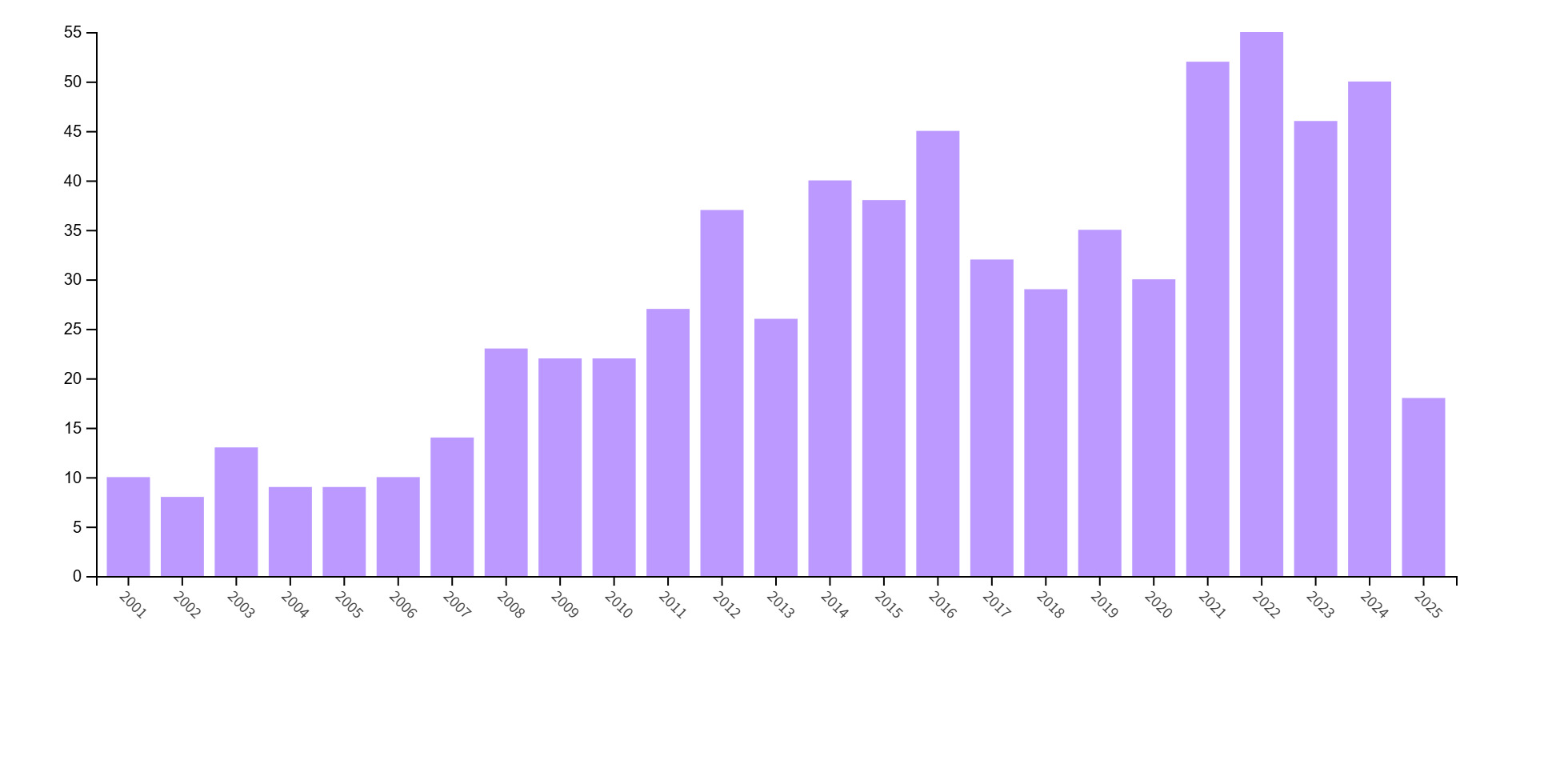
The annual number of publications generally increased between 2001 and 2024, although year-to-year fluctuations and periods of relative stability were observed (Figure 1). Publication output peaked in 2022, with 55 publications. Because the search was conducted on June 1, the 2025 count represents only a partial year and should not be compared directly with counts from complete calendar years.

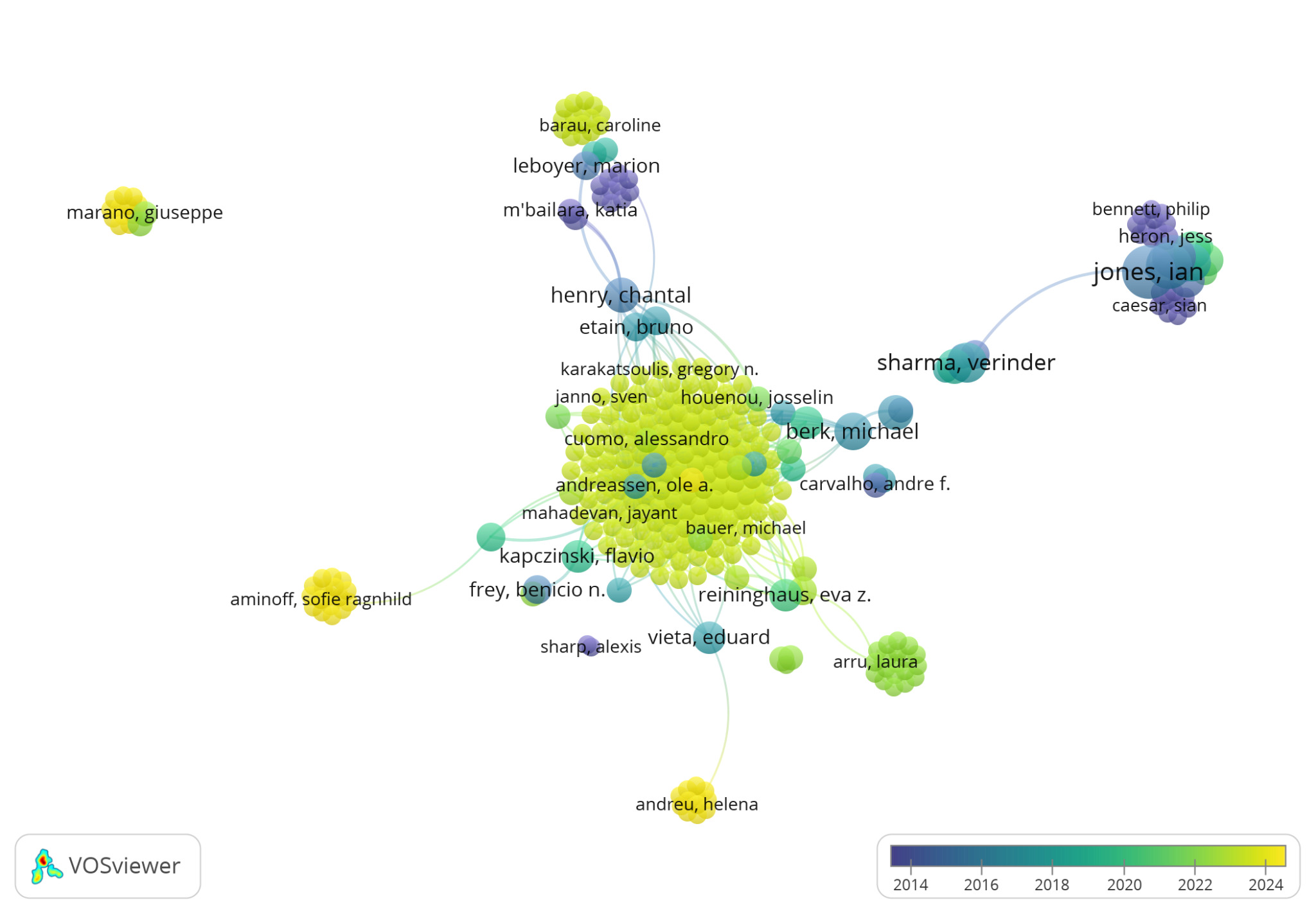
Figure 2 displays the co-authorship network for research on bipolar disorder triggers. The central region contains a relatively dense group of collaborating authors, whereas several smaller groups at the periphery have limited connections to the central network. Many authors in the largest component contributed only one or two publications within the retrieved dataset.

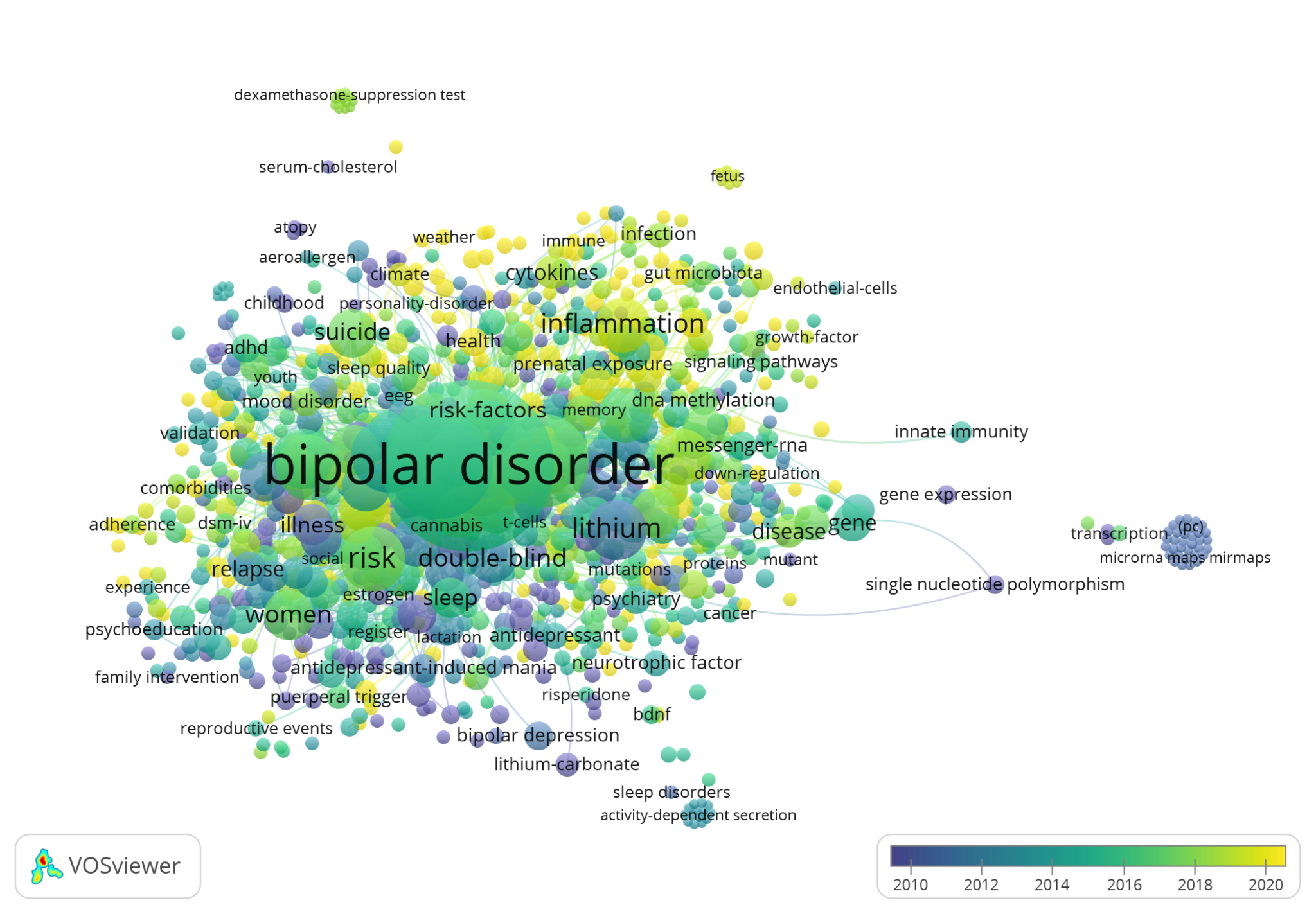
Figure 3 depicts the keywords associated with publications retrieved by the search. Frequently occurring terms relate primarily to bipolar disorder, mood episodes, diagnosis, and treatment. Terms describing specific episode triggers are less prominent. A smaller peripheral cluster contains terms related to other conditions with relatively limited connections to the central network.

Figure 3: Keyword co-occurrence map generated using VOSviewer, illustrating thematic relationships in the literature on bipolar disorder triggers. Node size reflects keyword frequency, while proximity and link strength indicate co-occurrence relationships. Dominant clusters are centered around diagnosis and treatment, with comparatively sparse representation of specific trigger-related concepts.
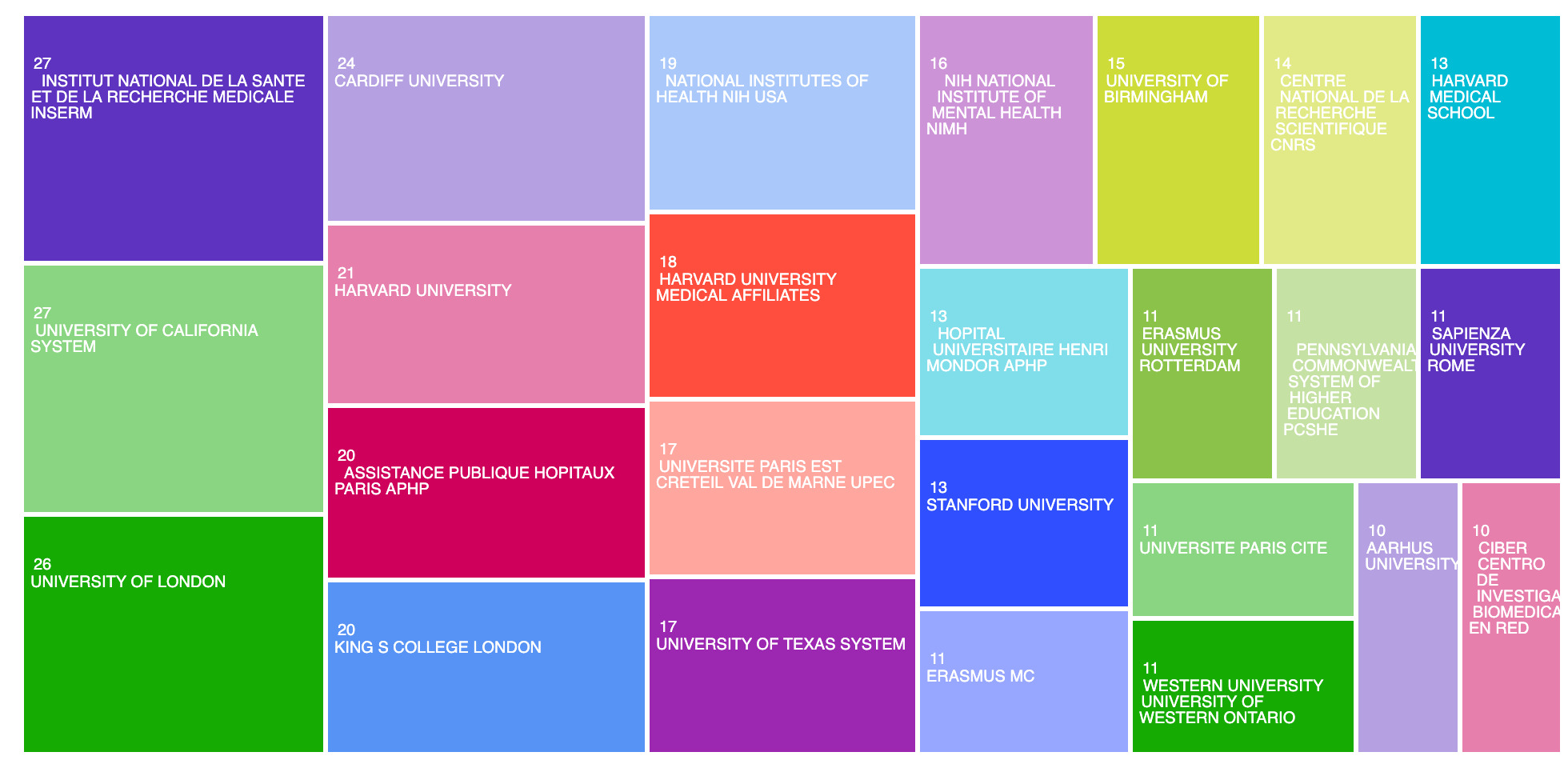
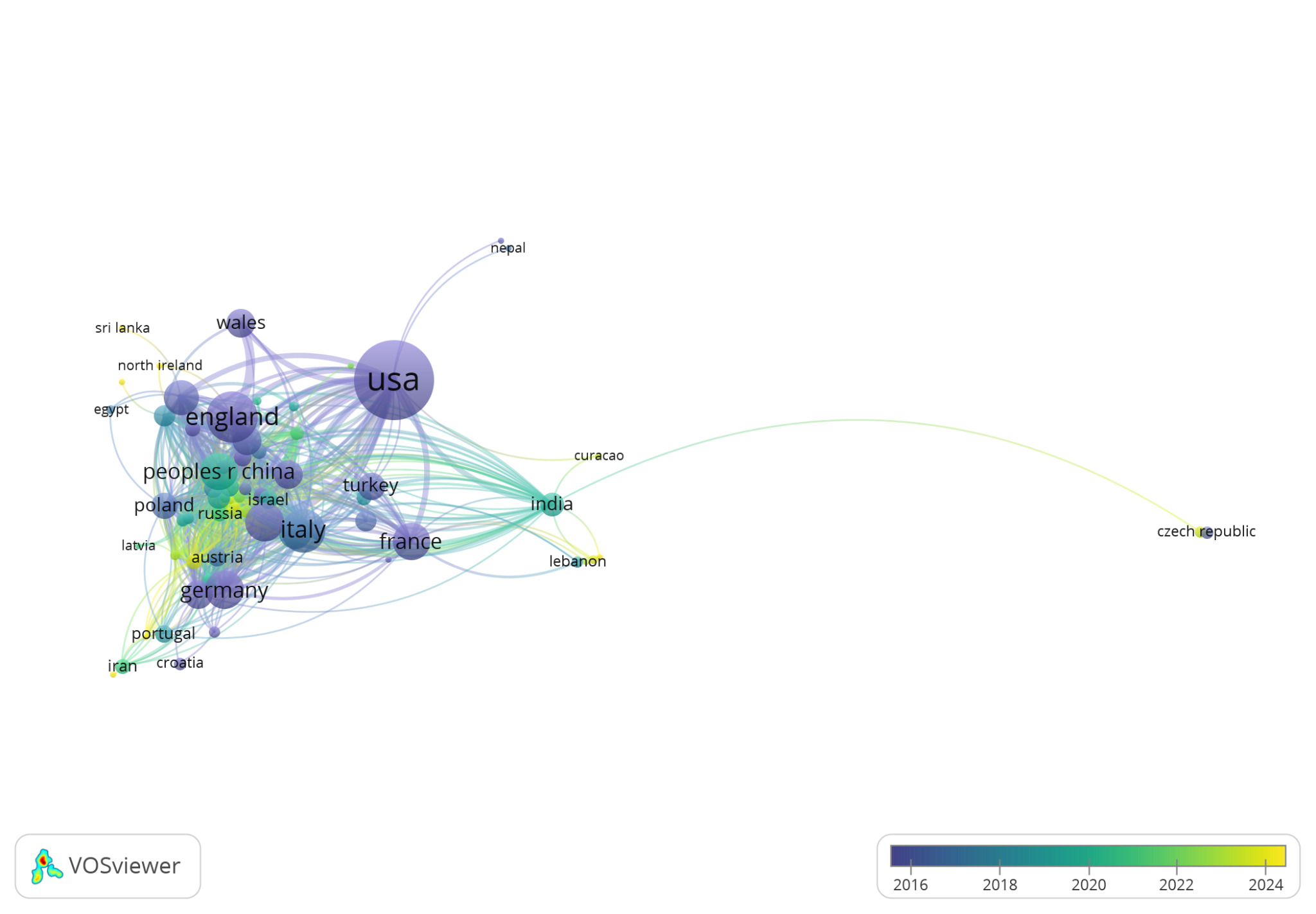
Figures 4 and 5 depict institutional and country-level contributions, respectively. The leading institutions included the Institut National de la Santé et de la Recherche Médicale (INSERM), the University of California system, the University of London, Cardiff University, and Harvard University.

The United States contributed the largest number of publications (n=218; 12,161 citations), followed by England (n=87; 3,456 citations), Italy (n=63; 1,533 citations), Canada (n=48; 2,185 citations), and Germany (n=47; 1,616 citations). The overlay visualization suggests that many publications from the United States appeared around 2016–2018 (Figure 5).

The 760 articles were cited 25,512 citing articles, excluding self-citations. Each article on average, was cited 37 times. Figure 6 summarizes the top 10 most cited articles on the topic of bipolar triggers.
Figure 6: Summary of the 10 most-cited articles in the retrieved dataset. Only two of the 10 articles include the word “bipolar” in the title (highlighted in yellow).
4. DISCUSSION
4.1. Countries
The United States was the leading contributor (n=218), followed by other high-income countries, indicating that research activity was concentrated in resource-rich settings. This pattern may reflect differences in research funding, institutional capacity, publication volume, and coverage within the Web of Science Core Collection. The concentration of research in high-income countries may limit the generalizability of the literature because exposures, health systems, cultural contexts, and access to care differ across settings.
4.2. Yearly data
Publication output fluctuated between 2017 and 2020 and subsequently increased. The present descriptive analysis cannot determine the reasons for these changes. Because the 2025 search covered only the period through June 1, the apparent decline for that year should be interpreted as incomplete ascertainment rather than a change in research activity.
4.3. Authors and Organizations
The author network contained a central collaborative component and several smaller groups with limited connections to the central network. Institutional collaboration appeared more interconnected than author-level collaboration. These patterns should be interpreted within the boundaries of the retrieved dataset and selected VOSviewer thresholds; the absence of a displayed link does not establish that two authors or institutions have no broader relationship.
4.4. Keywords
Keyword co-occurrence analysis revealed that the most frequently occurring terms were related to: 1) diagnosis (“bipolar disorder,” “mania,” “depression”), and 2) treatment (“lithium,” “pharmacotherapy”). In contrast, trigger-specific terms (e.g., sleep deprivation, stress, substance use) appeared less frequently and demonstrated weaker network connectivity. Cluster analysis showed fragmented thematic groupings, suggesting that research on bipolar triggers lacks a unified conceptual framework.
4.5. Limitations
This study has several limitations. First, the analysis was limited to the Web of Science Core Collection and may not capture relevant publications indexed in databases such as PubMed, Scopus, or PsycINFO. Second, the search relied on selected terms related to triggers and may have excluded studies using alternative terminology or included records in which triggering factors were not the primary focus. Third, bibliometric analyses are descriptive and do not assess the methodological quality or clinical validity of the included studies. Citation counts are time-dependent and may favor older publications. Finally, author, institution, and keyword networks are influenced by data cleaning, inclusion thresholds, counting methods, and other VOSviewer parameters, which may affect the apparent structure and prominence of clusters.
5. Conclusion
Bipolar disorder is a recurrent psychiatric condition associated with substantial morbidity and premature mortality. This bibliometric analysis found that publication activity related to bipolar disorder triggers generally increased over the study period and was concentrated in several high-income countries and well-resourced institutions. Keyword patterns emphasized diagnosis and treatment more strongly than specific precipitating factors. Further research using clearly defined episode-level triggers, consistent terminology, and diverse populations may strengthen the evidence available for relapse prevention and early intervention.
DECLARATIONS
Ethical approval
Institutional ethics approval was not required because this bibliometric study analyzed published literature and did not involve human participants or identifiable private information.
Funding
No funding was received for this study.
Availability of data and materials
The study analyzed bibliographic records obtained from the Web of Science Core Collection. Availability of the source records is subject to Web of Science licensing restrictions.
Code availability
Not applicable.
Author Contributions
EK and RH drafted the initial manuscript. SV edited and critically revised the manuscript. All authors read and approved the final manuscript.
Competing Interests
The authors declare that they have no competing interests.