
Introduction
Sjögren’s syndrome is a chronic systemic autoimmune disease classically characterized by sicca symptoms resulting from lymphocytic infiltration of exocrine glands.1–3 The condition affects an estimated 0.1–4% of the population in the United States, with a marked female predominance of approximately 90%.1,3 While glandular involvement is the most recognized clinical feature, Sjögren’s syndrome is increasingly understood as a multisystem condition with significant extraglandular manifestations, including involvement of the nervous system.2–4
Sjögren’s syndrome may occur as a primary condition or in association with other systemic autoimmune diseases, contributing to heterogeneity in clinical presentation and research populations.1–3 Neurological involvement can affect both the peripheral and central nervous systems and is clinically significant. Peripheral nervous system manifestations are more frequently reported and include sensory neuropathies, ganglionopathies, and autonomic dysfunction, whereas central nervous system involvement is less common but encompasses cognitive impairment, inflammatory demyelinating syndromes, and encephalitic presentations.3–8 Notably, neurological symptoms may precede classic sicca features, contributing to diagnostic delay and under-recognition.5–7
Neurological manifestations of Sjögren’s syndrome frequently present with nonspecific or heterogeneous symptoms, including sensory disturbances, dizziness, cognitive changes, weakness, headache, dysautonomia, and encephalopathy-like presentations, many of which initially present to emergency departments or acute care settings.4–8 In some patients, neurological symptoms precede the development of classic sicca manifestations, complicating early recognition and contributing to diagnostic delay.5–8 These presentations may mimic stroke, multiple sclerosis, peripheral neuropathies, psychiatric disease, or infectious and metabolic etiologies encountered in emergency medicine practice. Consequently, increased awareness of neurological Sjögren’s syndrome among acute care clinicians may facilitate earlier diagnosis, specialist referral, and initiation of appropriate multidisciplinary management.
Despite advances in understanding disease mechanisms, treatment of Sjögren’s syndrome remains largely symptomatic, with few therapies capable of preventing progressive exocrine gland damage.2,9 Although clinical recognition of neurological involvement has increased, the scope, geographic distribution, and evolution of research in this area have not been systematically characterized. Bibliometric analysis offers an opportunity to examine publication trends, research focus, and collaborative patterns within the literature, thereby identifying gaps and informing future investigation.10
Methods
This bibliometric analysis was conducted to examine the global research landscape of neurological manifestations of Sjögren’s syndrome using quantitative and qualitative analysis of published literature. The study followed established bibliometric methodologies and utilized multiple analytical approaches to characterize publication trends, research impact, collaboration patterns, and thematic evolution. Particular attention was given to publication trends related to neurological manifestations with potential relevance to emergency and acute care evaluation.
Data Source and Search Strategy
A comprehensive literature search was performed using Web of Science Core Collection due to its comprehensive multidisciplinary coverage, robust citation indexing capabilities, and comprehensive coverage of peer-reviewed journals, including its compatibility with bibliometric software.10 The following search string was applied: “Neuro” AND “Sjögren’s Syndrome”, where the wildcard () allowed for the inclusion of variations of neurological terms (e.g., neurology, neurological, neuropsychiatric). The search was conducted across titles, abstracts, and author keywords to ensure broad retrieval of relevant publications. No restrictions were initially placed on publication year, document type, or country of origin to capture a comprehensive dataset. The final dataset was downloaded from Web of Science in a delimited text format suitable for bibliometric analysis.
Inclusion and Exclusion Criteria
Publications were included if they met the following criteria:
-
Document type: Original research articles and review articles indexed in the Web of Science Core Collection.
-
Language: Published in the English language.
-
Topic relevance: Focused on the neurological manifestations of Sjögren’s syndrome, as identified using the search terms "Neuro" AND “Sjögren’s syndrome”* in the title, abstract, or keywords.
-
Data availability: Contained complete bibliometric metadata necessary for analysis, including authorship, institutional affiliations, country of origin, keywords, and citation information.
Exclusion criteria included:
-
Document type exclusions: Editorials, letters to the editor, commentaries, corrections, meeting abstracts, and notes.
-
Irrelevant scope: Publications not directly addressing neurological aspects of Sjögren’s syndrome despite containing related terminology.
-
Incomplete records: Publications with missing or incomplete bibliometric data that could not be reliably analyzed using VOSviewer.
-
Retracted literature: Retracted publications were excluded from the analysis.
All records meeting the inclusion criteria were exported from the Web of Science database and analyzed using VOSviewer (version 1.6.20). Given the bibliometric nature of the study, formal risk-of-bias assessment was not performed.
Data Analysis and Visualization
The retrieved records were imported into VOSviewer (version 1.6.20), a bibliometric software tool used to construct and visualize research networks. Bibliometric analyses were conducted to generate network maps depicting: (1) the number of publications by country; (2) keyword co-occurrence patterns; (3) the most frequently cited sources (journals) within the field; and (4) institutional contributions based on publication output. These visualizations enabled the identification of research trends, highly influential sources, and patterns of collaboration within the literature addressing the neurological manifestations of Sjögren’s syndrome.
Data Extraction and Processing
Bibliometric data were retrieved from the Web of Science Core Collection database using the search terms "Neuro" AND “Sjögren’s syndrome”* applied to titles, abstracts, and keywords. Records meeting the inclusion criteria were exported in a delimited text format and imported into VOSviewer (version 1.6.20) for analysis.
The following bibliometric fields were extracted: authors, author affiliations, institutions, countries, publication year, journal title, article title, keywords, cited references, and citation counts. Records were reviewed to ensure completeness of bibliometric metadata prior to analysis. Publications with incomplete or unusable bibliometric information were excluded. As only a single database was used, formal database merging and cross-deduplication were not required.
Bibliometric Indicators
Bibliometric indicators were calculated to assess research productivity, impact, and collaboration patterns within the literature on neurological manifestations of Sjögren’s syndrome.
-
Productivity indicators included total number of publications and publication output by country, institution, and journal source.
-
Impact indicators were assessed using citation-based measures, including total citations per source.
-
Collaboration indicators were evaluated through country- and institution-level publication networks to characterize collaborative research patterns.
Analytical Methods and Visualization
Bibliometric analysis and science mapping were performed using VOSviewer (version 1.6.20). Network visualizations were generated to illustrate:
-
Publication output by country
-
Keyword co-occurrence networks
-
Most frequently cited sources (journals)
-
Institutional contributions based on publication volume
These visualizations facilitated the identification of research trends, influential journals, and collaborative structures within the field.
Counting Method
VOSviewer offers both full counting and fractional counting approaches. In this study, full counting was applied, whereby each country, institution, or author associated with a publication received one full credit per publication, regardless of the number of co-authors or affiliations. This method emphasizes overall research productivity and collaborative presence. Fractional counting, which allocates proportional credit based on the number of contributors, was not used.
Threshold Settings
To enhance the clarity and interpretability of the bibliometric network visualizations, minimum threshold values were applied within VOSviewer. The minimum number of publications per country was set at 10, the minimum keyword occurrence threshold was set at 45, the minimum number of citations per source was set at 50, and the minimum number of publications per organization was set at 7.
These thresholds were selected to reduce visual complexity and to ensure that the resulting network maps highlighted the most relevant and influential entities within the literature on neurological manifestations of Sjögren’s syndrome.
Results
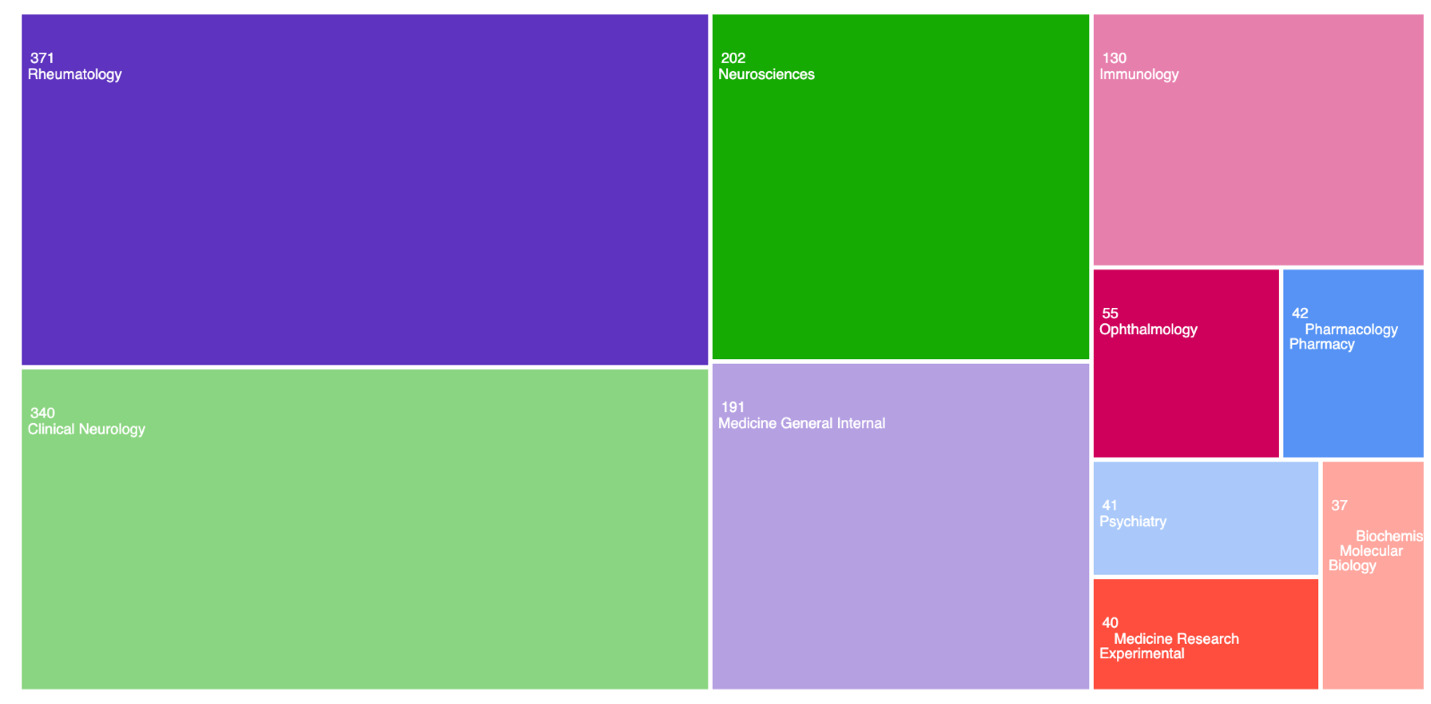
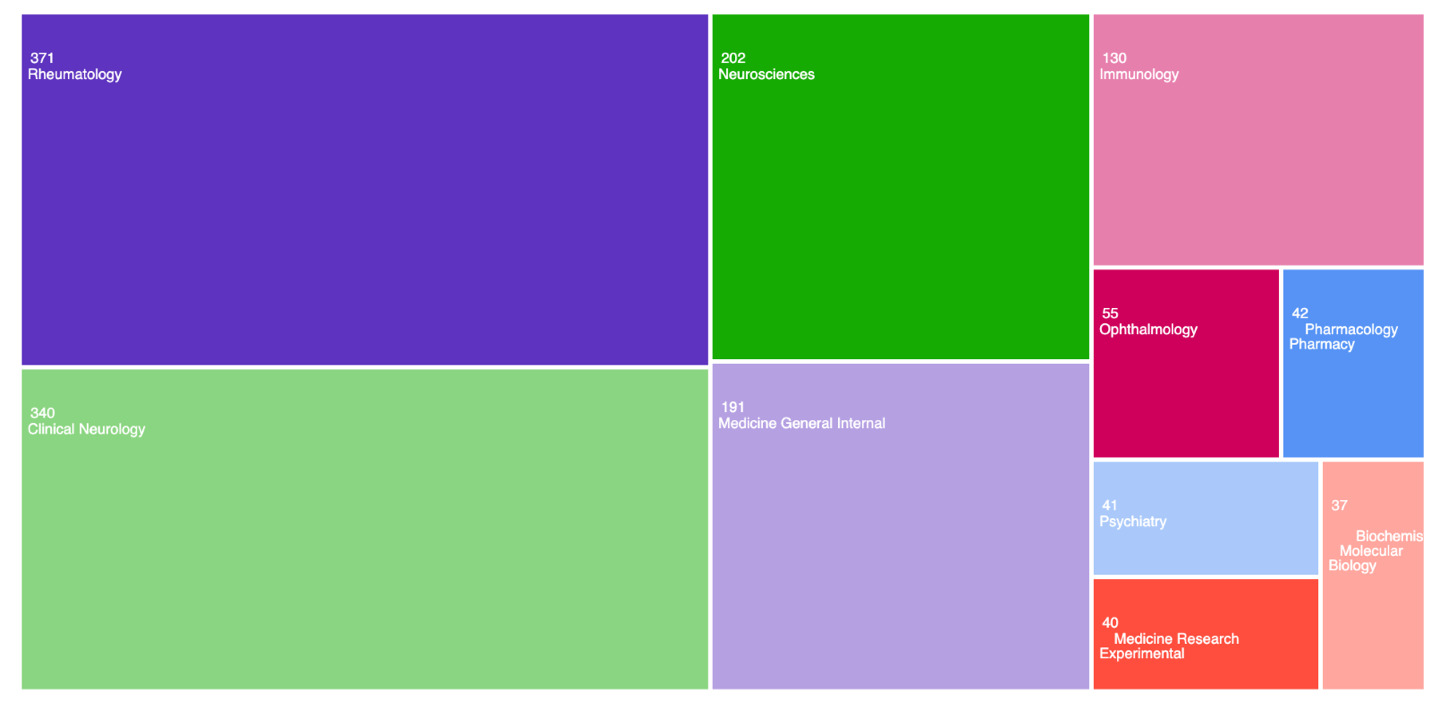
The literature search identified a total of 1,353 publications related to the neurological manifestations of Sjögren’s syndrome. A treemap visualization was generated to illustrate the distribution of publications across Web of Science subject categories. The ten most frequently represented categories are shown in Figure 1.
Rheumatology was the most prominent category, accounting for 371 publications, followed closely by Clinical Neurology with 340 publications. The third and fourth most represented categories were Neurosciences and Medicine, General & Internal, with 202 and 191 publications, respectively.
Countries
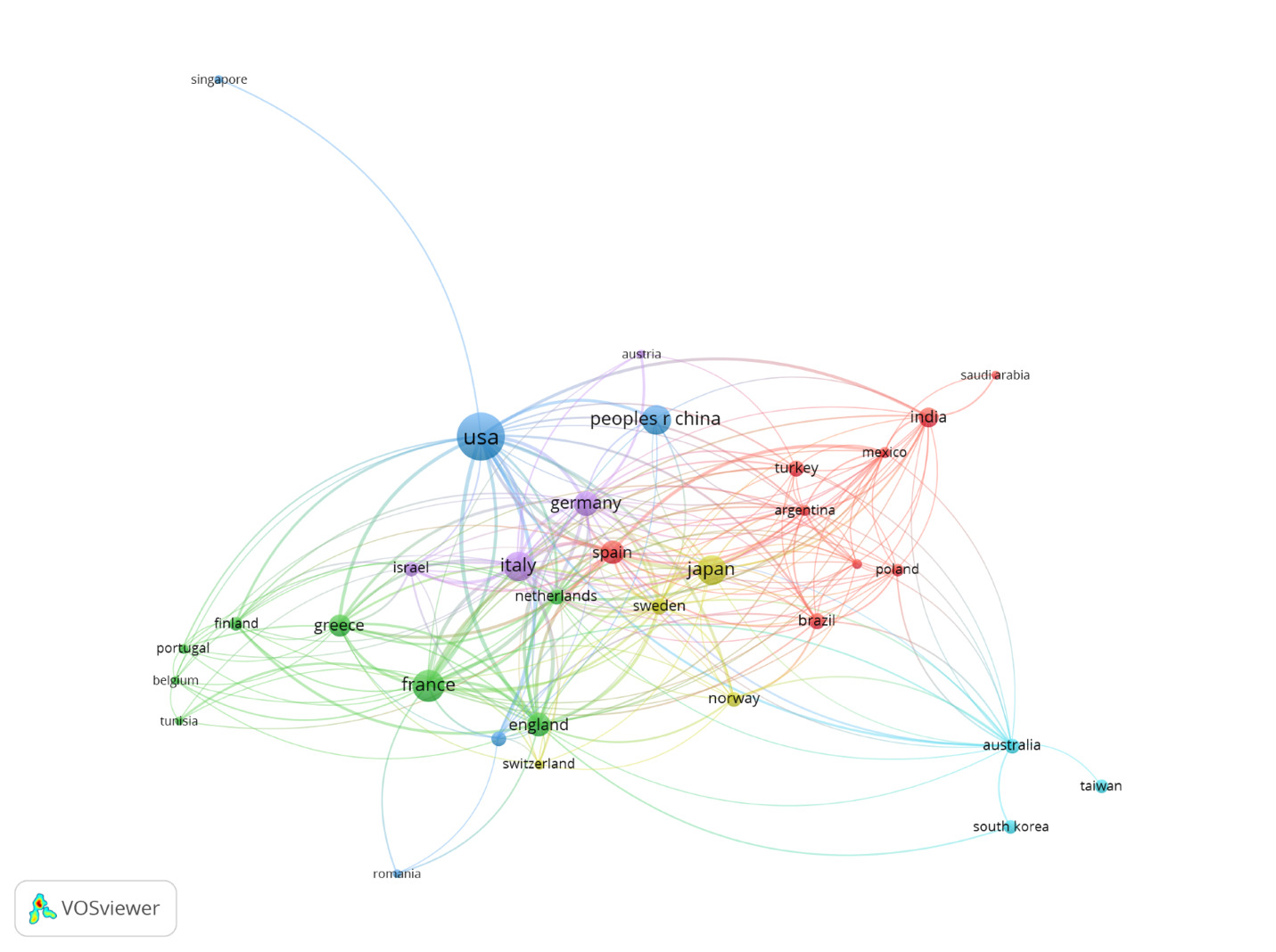
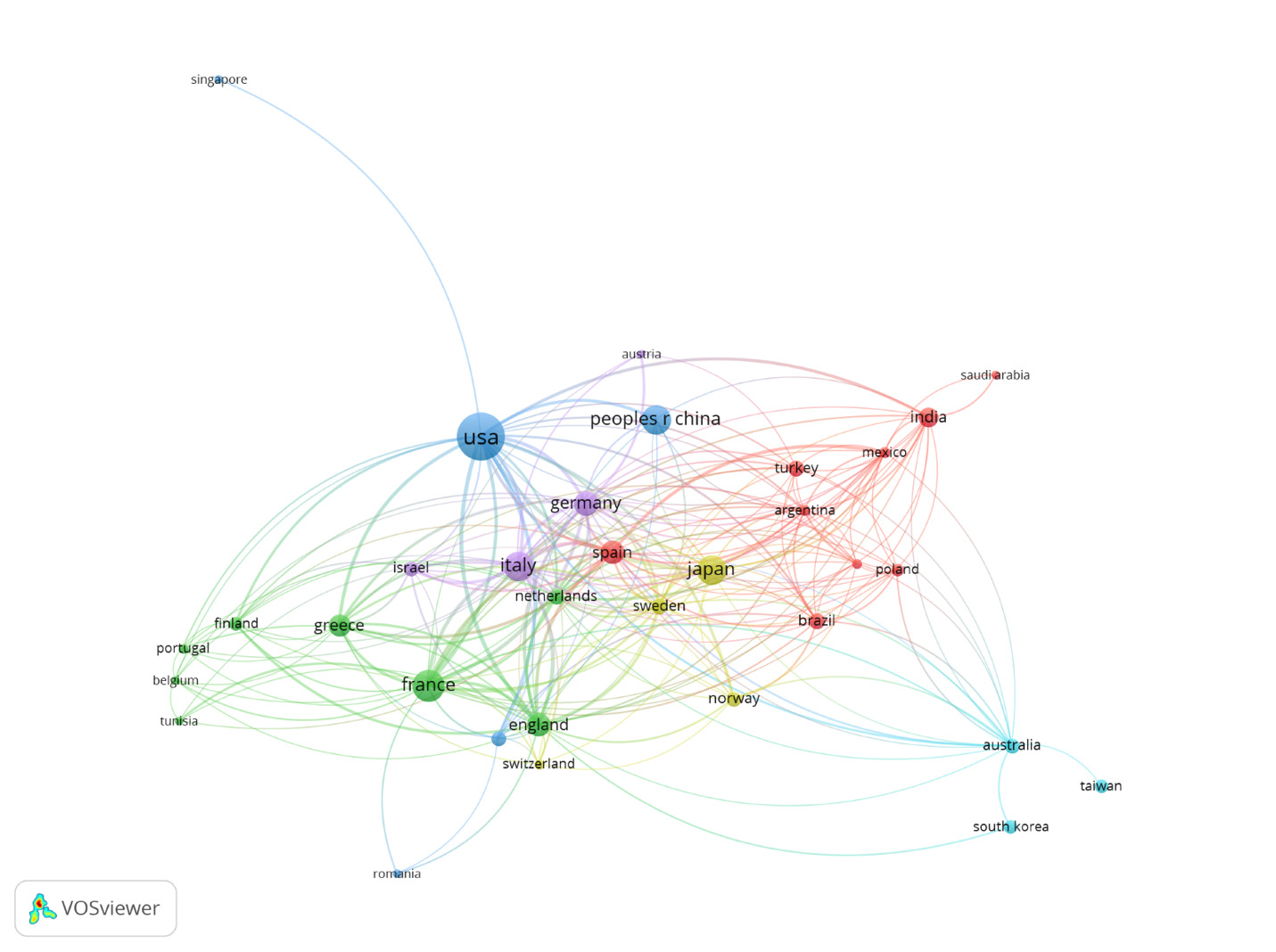
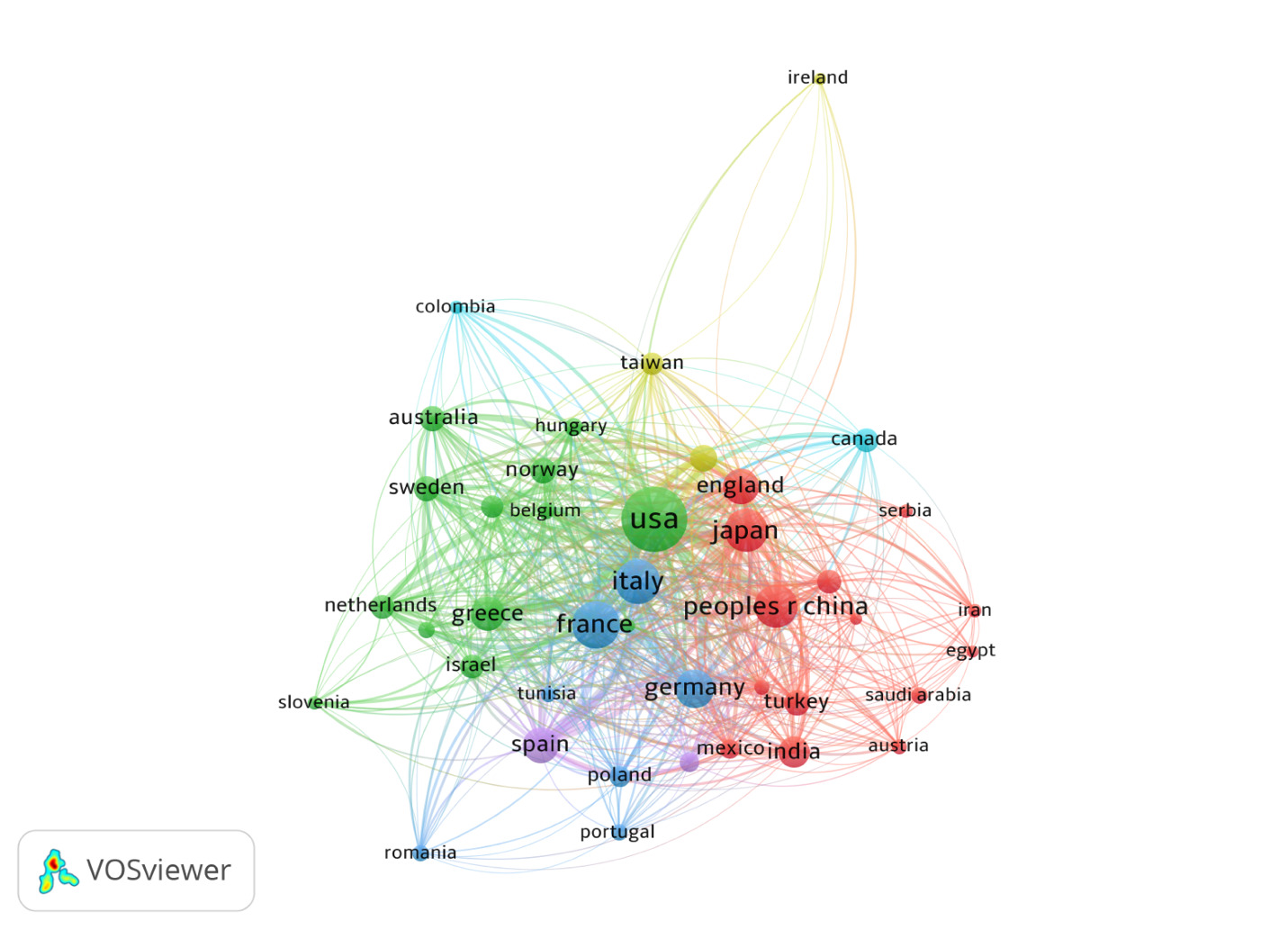
The United States produced the highest number of publications, with 283 documents, accounting for 20.9% of the total literature on neurological manifestations of Sjögren’s syndrome. France ranked second with 130 publications (9.6%), followed by Italy with 112 publications (8.2%). China ranked fourth, contributing 108 publications, representing 7.9% of the total output.
Countries with higher publication volumes demonstrated greater levels of co-authorship and international collaboration. In contrast, countries with lower publication output, such as Taiwan, Singapore, and Saudi Arabia, exhibited more limited co-authorship networks.
Keywords
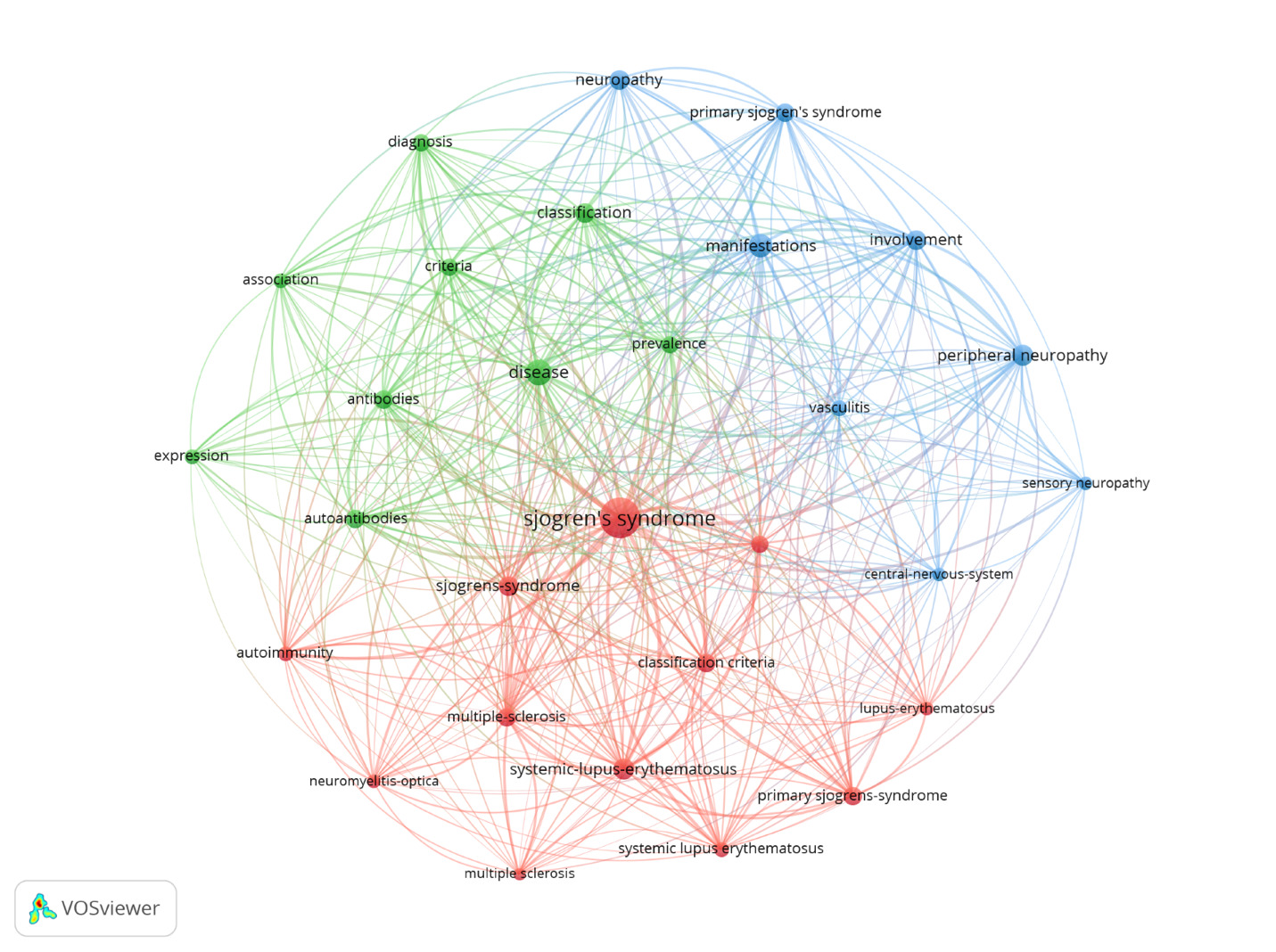
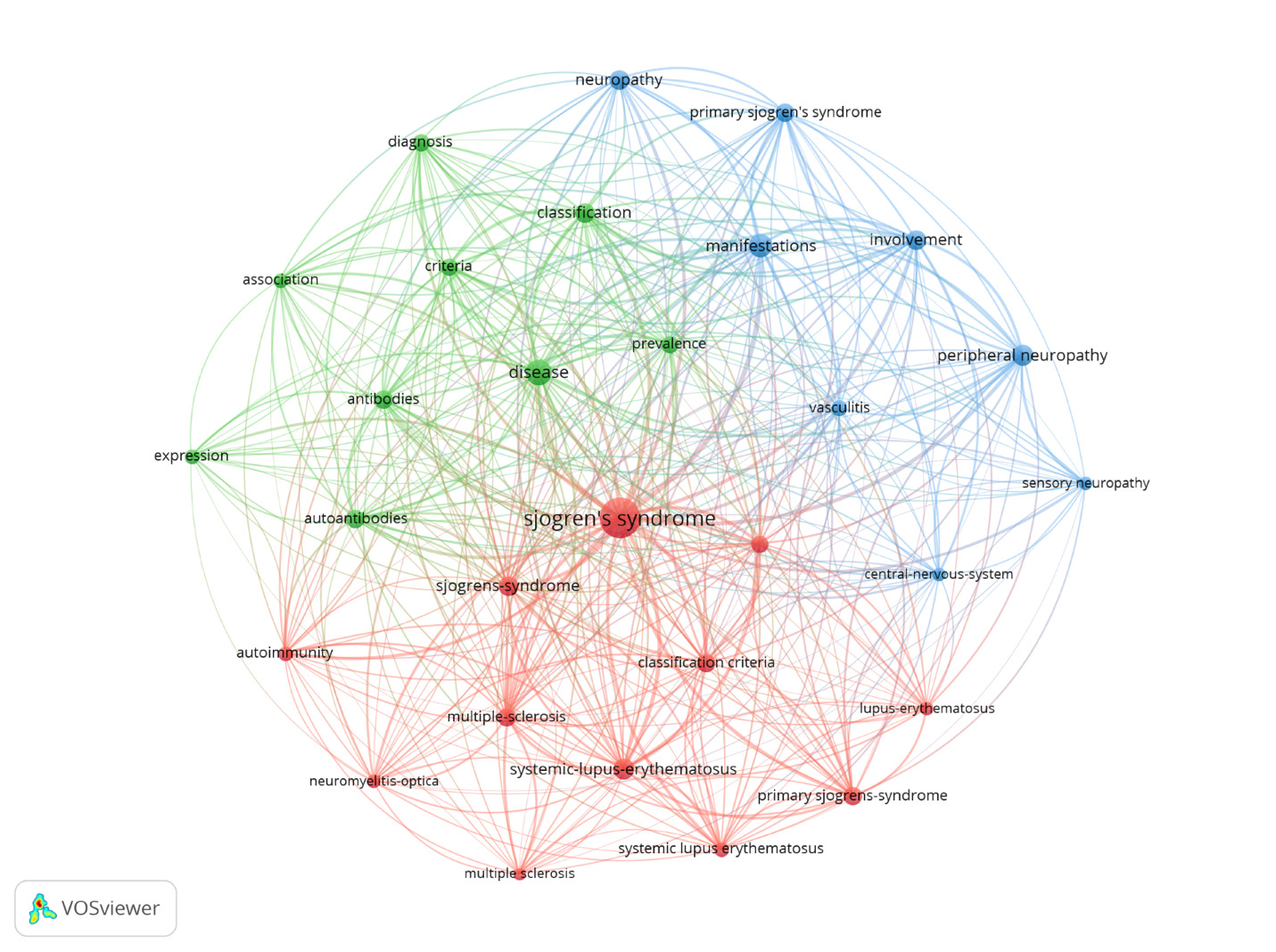
The most frequently occurring keywords across the analyzed publications are shown in Figure 3. The most common keyword was Sjögren’s syndrome (N = 433), followed by disease (N = 171), manifestations (N = 154), and peripheral neuropathy (N = 122). Many of the highly represented keywords correspond to symptom complexes frequently encountered in emergency and acute care settings, including neuropathic symptoms, cognitive dysfunction, and central nervous system involvement.
Citation counts
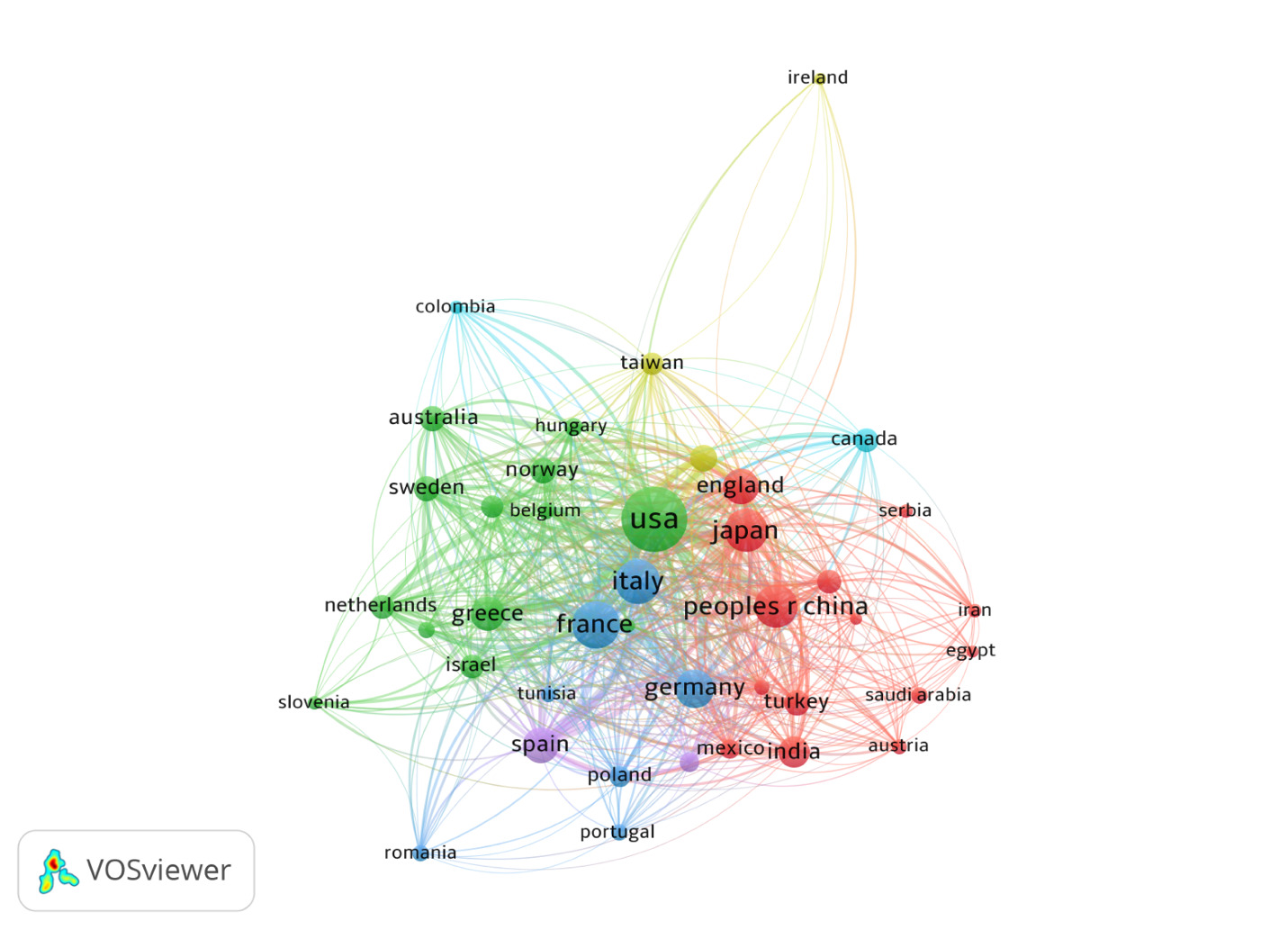
The United States had the highest citation count, with 283 citations. France ranked second with 130 citations, followed by Italy with 112 citations. China ranked fourth, contributing 108 citations.
The United States demonstrated substantially higher citation impact compared with other countries, with more than double the number of citations of the second-ranked country. In contrast, citation counts among France, Italy, and China were relatively similar, with differences of fewer than 50 citations between these countries.
Organizations
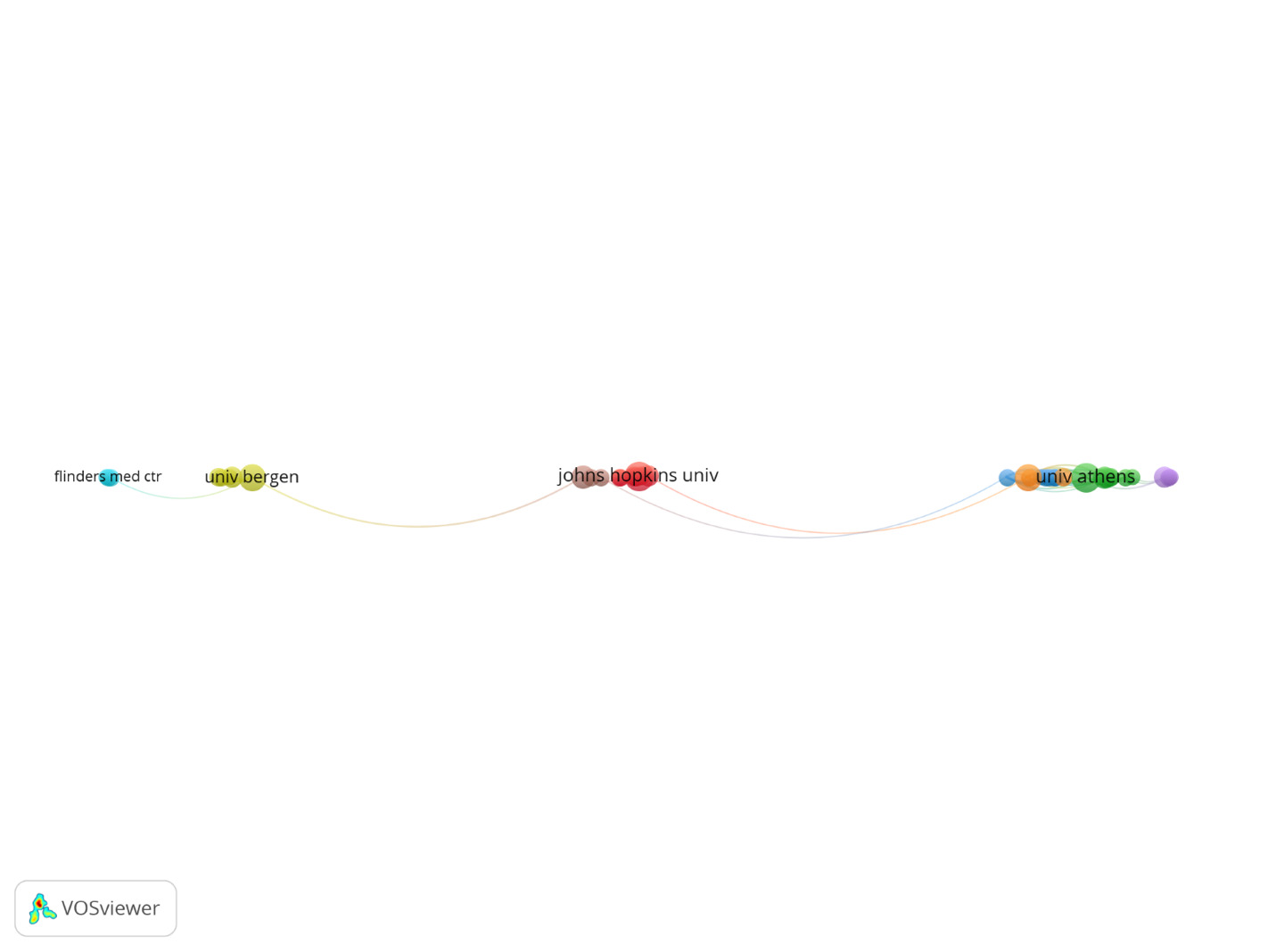
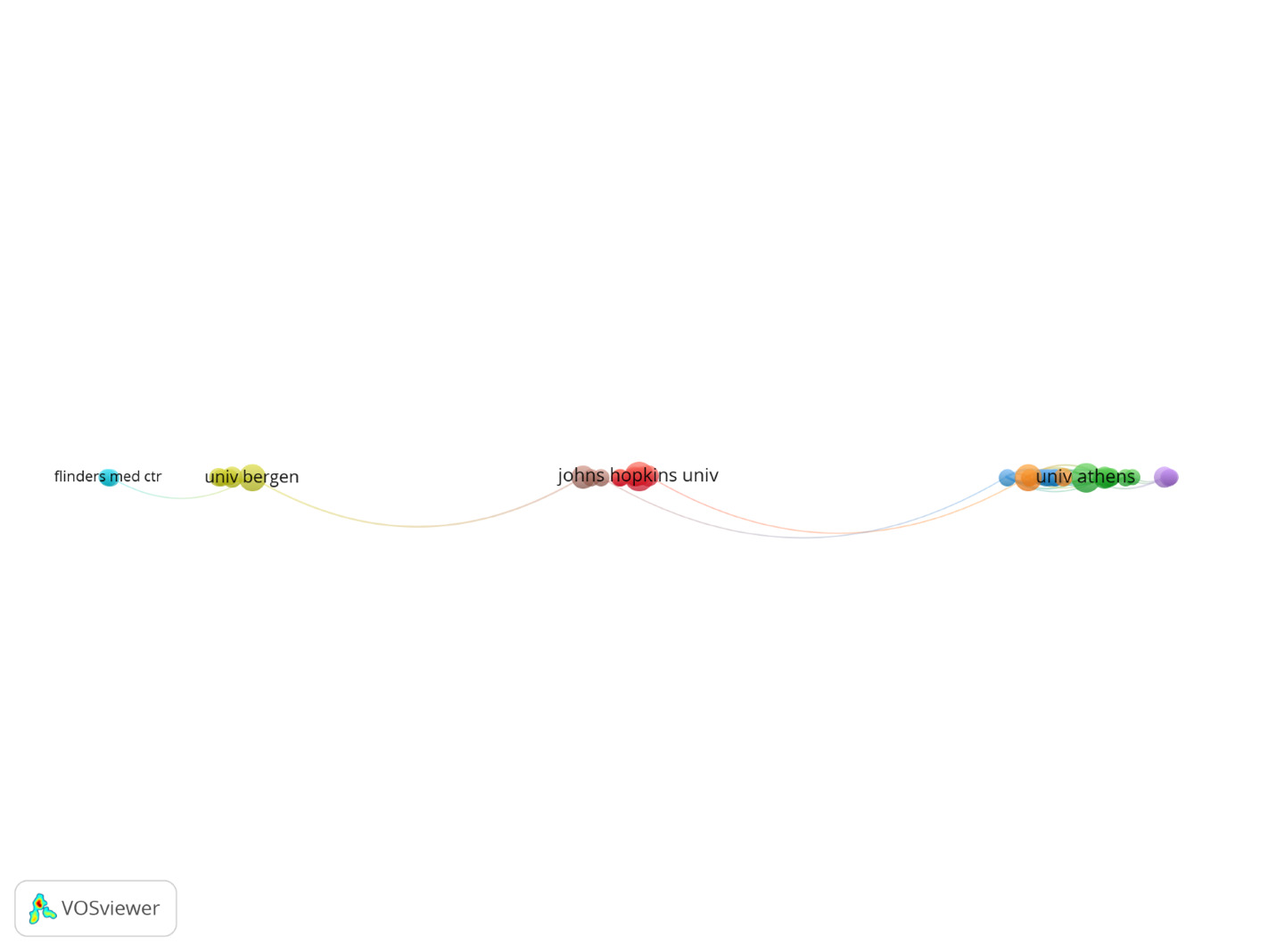
Publication output from universities and research institutions worldwide was analyzed. The University of Athens and Johns Hopkins University each had the highest number of publications, with 25 articles each (figure 5). Hospital Clínic Barcelona ranked third with 21 publications, followed by the University of Bergen with 20 publications. Other contributing institutions demonstrated lower and relatively similar publication outputs, generally ranging from approximately 15 publications or fewer.
Temporal trends
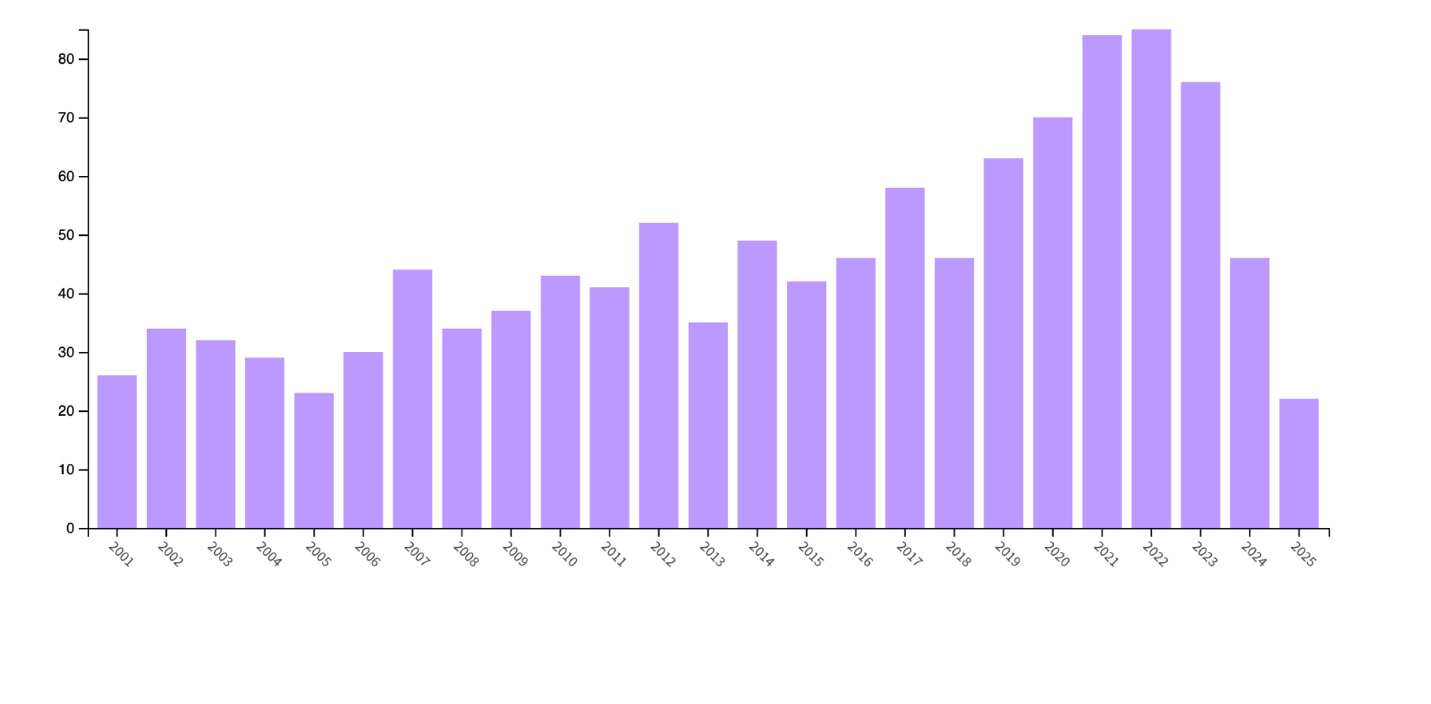
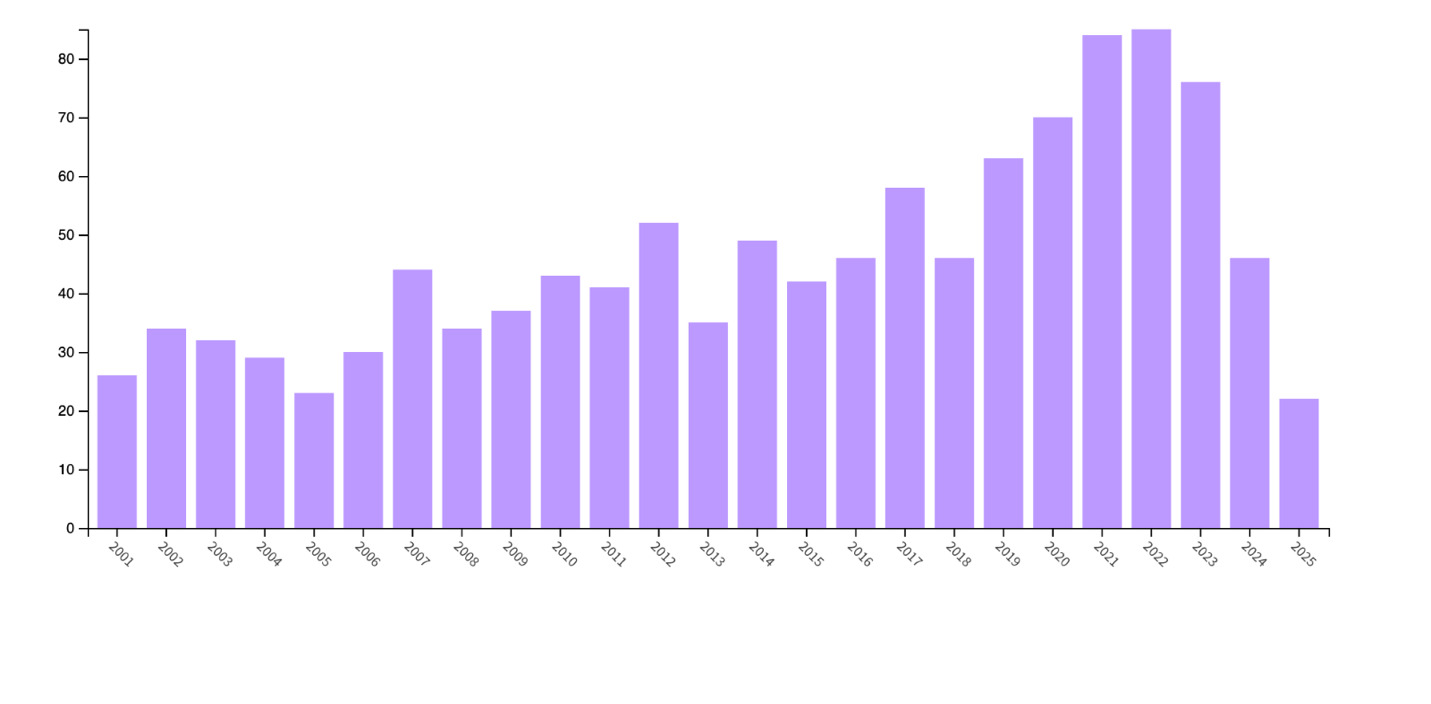
Publication output related to Sjögren’s syndrome from 1990 to 2022 demonstrated a steady increase over time, with the highest number of publications observed in 2022 (n = 85). A decline in publication counts was observed in subsequent years, with 76 publications in 2023, 46 in 2024, and 22 in 2025 at the time of data extraction (Figure 6). The lower publication counts observed for 2025 likely reflect incomplete indexing and ongoing publication activity for that year.
Discussion
The heterogeneity of neurological manifestations associated with Sjögren’s syndrome has important implications for emergency and acute care clinicians. Patients may initially present with nonspecific neurological complaints, including paresthesias, gait instability, headache, dizziness, cognitive dysfunction, seizures, or focal neurological deficits, often before a formal autoimmune diagnosis has been established.4–8 Such presentations can mimic more common emergency conditions including cerebrovascular disease, demyelinating disorders, infectious encephalitis, metabolic derangements, and psychiatric illness. The increasing volume of literature identified in this bibliometric analysis likely reflects growing recognition of these atypical and diagnostically challenging presentations. Earlier consideration of autoimmune etiologies in select patients with unexplained neurological symptoms may reduce diagnostic delay and improve coordination of multidisciplinary care. Central nervous system manifestations of Sjögren’s syndrome may occasionally resemble acute ischemic stroke or demyelinating disease, creating diagnostic complexity during emergency neurological evaluation.
This bibliometric analysis highlights growing scholarly attention to the neurological manifestations of Sjögren’s syndrome, as reflected by keyword co-occurrence patterns and publication trends. As shown in Figure 3, frequently occurring keywords demonstrate strong interconnections between neurological symptoms and Sjögren’s syndrome with terms such as expression, manifestations, involvement, and disease appearing prominently within the network.4,11 These keyword relationships reflect increasing recognition of the neurological dimensions of Sjögren’s syndrome and suggest expanding clinical and research awareness of its multisystem involvement.2,3,11
The rising number of publications over time further supports this trend, indicating increased attention to neurological complications and their implications for patient quality of life.12,13 Enhanced recognition of these manifestations may contribute to improved diagnostic approaches and therapeutic strategies, facilitated by the broader dissemination of research findings across international research communities.11,14 This study specifically examines global research output related to neurological manifestations of SS, highlighting evolving trends in publication volume, keyword usage, and geographic distribution. Collectively, these findings demonstrate sustained and growing interest in the neurological aspects of Sjögren’s syndrome, with publication output peaking in 2022 at 85 articles.
Analysis of country-level contributions reveals that research output and citation impact are concentrated primarily in high-income countries. As shown in Figures 2 and 4, the United States, France, Italy, and China accounted for the majority of publications and citations related to neurological manifestations of Sjögren’s syndrome. In contrast, lower research output and citation counts were observed from low- and middle-income countries. This uneven geographic distribution underscores disparities in research capacity and scholarly visibility. Prior work suggests that such disparities may be influenced by differences in research infrastructure, funding availability, and access to advanced medical and diagnostic resources.10
The United States emerged as the leading contributor across publication volume and citation impact, followed by France, Italy, and China.5,6 While this reflects strong research activity in these regions, it also highlights gaps in global representation. Expanding research capacity in underrepresented regions, particularly in low-resource settings where health disparities are often greatest, may improve understanding of SS across diverse populations and contribute to more equitable knowledge generation.15 Increased international collaboration and data sharing could enhance the generalizability of findings and accelerate progress in understanding neurological involvement in Sjögren’s syndrome.5,15
Journal-level analysis further illustrates the disciplinary focus of this research area. As shown in Figure 1, the majority of publications were categorized within rheumatology, clinical neurology, and neurosciences. High-impact journals such as Rheumatology, Clinical and Experimental Rheumatology, and Arthritis Research & Therapy were among the most frequently cited sources, reflecting their central role in disseminating clinically relevant findings related to SS and its neurological complications.12,16,17 Publications in these journals contribute to shaping diagnostic frameworks, clinical management strategies, and research priorities within the field.2,11 The peer-reviewed nature of these sources supports the dissemination of emerging evidence and facilitates ongoing updates in clinical practice and research methodologies.10
Despite the observed growth in research output, several limitations remain. The heterogeneity of neurological manifestations associated with Sjögren’s syndrome and variability in study designs complicate efforts to establish unified research trajectories.4,8,16 This diversity contributes to fragmented research trends and underscores the need for larger, coordinated studies focused specifically on neurological involvement in Sjögren’s syndrome.5,7 Future research would benefit from multicenter, international collaborations incorporating diverse patient populations to improve consistency, comparability, and clinical applicability of findings.5,14,15
Limitations
This study has several limitations. First, the analysis relied exclusively on the Web of Science database. As a result, relevant publications indexed in other major databases may not have been captured, potentially limiting the comprehensiveness of the findings. Second, the analysis was restricted to publications from 1990 through 2025, which may exclude earlier foundational work on Sjögren’s syndrome and its neurological manifestations.
Finally, only English-language publications were included. This language restriction may have led to the exclusion of relevant studies published in other languages, particularly those originating from non–English-speaking regions, and may contribute to geographic and cultural bias in the observed publication trends.
Conclusion
Neurological manifestations of Sjögren’s syndrome represent an increasingly recognized but diagnostically challenging aspect of this multisystem autoimmune disease, particularly in emergency and acute care settings where patients may initially present with vague or atypical neurological symptoms.
Ethical Approval
The study was performed in accordance with the ethical standards as laid down in the 1964 Declaration of Helsinki and its later amendments or comparable ethical standards.
Consent to participate
Not applicable
Consent to publish
Not applicable
Funding
No funding was received for this study.
Availability of data and materials
Not applicable. All data supporting the findings of this study are available within the paper.
Code availability
Not applicable
Author Contributions
ST and EN drafted the initial manuscript. SN edited and critically revised the manuscript. All authors read and approved the final manuscript.
Competing Interests
None of the authors have any competing interests.