
1. Introduction
Avalanches present a unique and severe challenge to emergency medical service systems, including austere environmental conditions, difficult access, resource limitations, time-critical rescue requirements, and complex medical decision-making. Avalanche burials have a one in four mortality rate, and avalanches cause hundreds of deaths worldwide each year and dozens annually in the United States.1–3 Avalanche accidents and burials require significant interdepartmental efforts to ensure rescuer safety and appropriate rescue and recovery of the people involved, and many avalanche victims require significant prehospital and hospital care.1–3 By preventing avalanche incidents, we decrease the significant consequences and impact brought on by these disasters. Avalanche centers, such as the Utah Avalanche Center (UAC), have worked to translate complex snowpack and weather observations into tools that recreationists can use in the field to guide their backcountry practices and help prevent avalanche accidents. These resources are designed to highlight current avalanche problems and guide safer terrain choices, yet accidents continue to occur despite its availability. This suggests that the presence of these resources alone is not sufficient to prevent accidents.
The current working understanding of avalanches emphasize three main factors that all work synergistically to become an avalanche: terrain, weather, and snowpack. An avalanche occurring in isolation, however, is not inherently problematic. Avalanches become problematic when human factors are introduced. Human factors in avalanche research were first described in the early 2000s by Ian McCammon.4 Since McCammon’s seminal work, a large body of research has emerged investigating human factors in backcountry navigation largely focusing on risk and decision-making.5
While current investigations in human factors have emphasized risk management and decision-making strategies,5 we know far less about the psychological traits and social factors involved in avalanche accidents. More specifically, we do not yet understand the role awareness of information plays in avalanche accidents. It is unclear whether people involved in avalanche accidents knowingly accept the risk—suggesting that risk-taking is the key human factor—or whether they are unaware of, or surprised by, the avalanche and its characteristics, which would point to decision-making and education as the main factors.
The goal of this study is to evaluate the element of surprise in avalanche incidents, with attention to both individual characteristics of the person involved in the avalanche, and characteristics of the avalanche itself. Surprise, as we investigate in this study, we define as a form of cognitive mismatch that ultimately is a failure of awareness to a situation. Using five years of survey data from the Utah Avalanche Center, we explore how factors such as age, gender, and experience relate to reported levels of surprise. By focusing on surprise as an outcome, we aim to better understand the limits of current safety strategies and identify opportunities to strengthen backcountry risk education and communication.
2. Methods
2.1. Study Design and Setting
This study is a cross-sectional analysis of a larger dataset collected by the Utah Avalanche Center (UAC). The original dataset was designed to examine human triggered avalanches among users of the UAC. For this analysis, we focused specifically on a subset of respondents who answered a series of questions related to surprise. This approach allowed us to examine how personal characteristics and engagement with available avalanche information relate to the experience of being surprised by an avalanche and its specific features, while minimizing recall bias.
2.2. Participant Selection
We employed a census sampling method due to our highly specific set of inclusion criteria. Participants were individuals who submitted avalanche observations through the UAC platform beginning October 1, 2020. Those who reported that someone in their party had triggered an avalanche were automatically invited to complete a follow-up survey about their experience immediately following submission of the avalanche observation. Eligible respondents were backcountry utilizers within the UAC forecasting area, who reported being involved in human triggered avalanches. They were also required to be proficient in English, and incomplete submissions were excluded. This subset was selected to focus on individuals with direct avalanche experience, ensuring that reported surprise reflects real events rather than hypothetical or generalized behavior. The study was reviewed by the Institutional Review Board (IRB) and determined to be exempt.
2.3. Measures
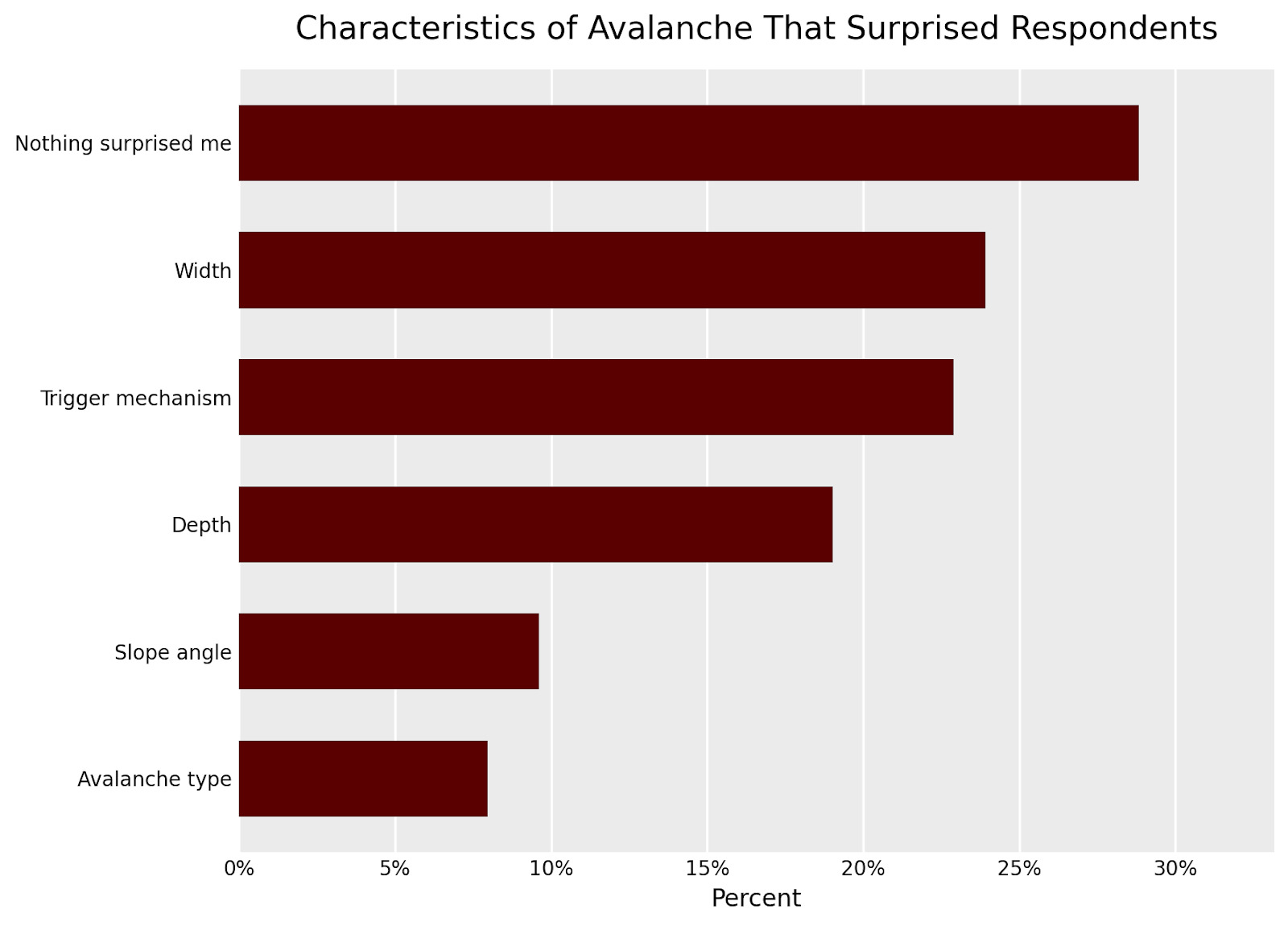
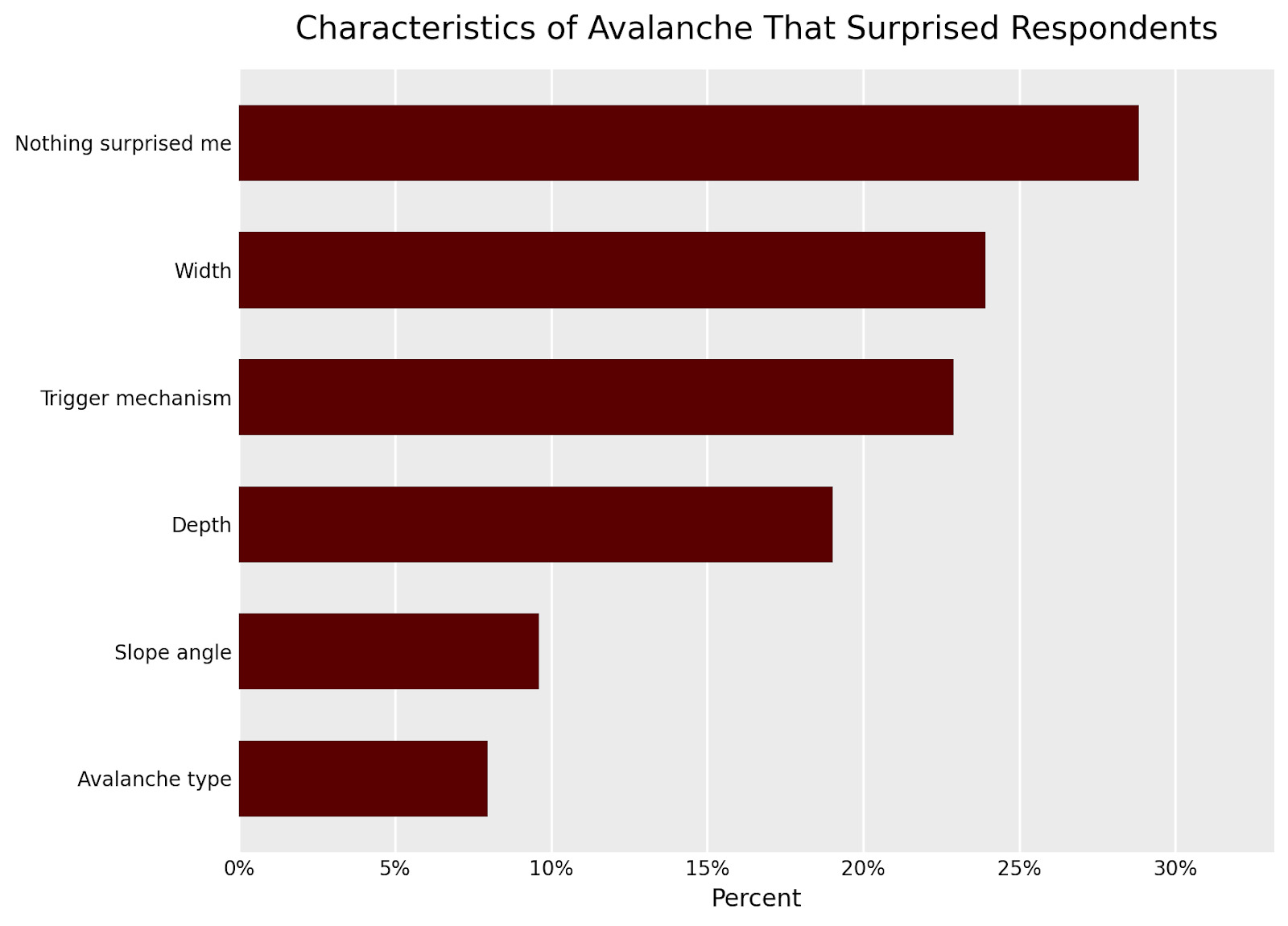
The subset of questions collected and analyzed for this study included data on participants’ experiences with avalanche incidents, with a particular emphasis on the element of surprise. Participants reported the degree of surprise they experienced during the avalanche overall, as well as their surprise regarding specific avalanche characteristics, including width, trigger, depth, slope angle, and type. The entire dataset also captured participants’ engagement with avalanche information, including general habits, use of information on the day of the incident, and retention of key forecast content. Demographic and experiential factors were recorded, including age, gender, self-reported backcountry experience, and frequency of backcountry travel. The entire questionnaire consisted of 17 items, comprising multiple-choice questions, short-answer responses, and 5-point Likert scales (1 = not useful at all to 5 = very useful). It was developed collaboratively with avalanche forecasters and human factors experts from the Utah Avalanche Center. Participants were invited to enroll in the study immediately upon submission of an avalanche observation that indicated they were involved in a human triggered avalanche, and all willing participants were automatically redirected to the survey to minimize timing from avalanche occurrence to survey completion. Due to the collection mechanism we were unable to determine how many participants declined to participate in the study after their initial report. Our study focused on three items to investigate the specific role of surprise.
2.4. Outcomes
The primary outcome of interest was participants’ reported level of surprise during avalanche incidents, conceptualized as an indicator of expectation gaps between anticipated and actual conditions. We also examined how surprise varied across specific avalanche characteristics, including width, trigger mechanism, depth, slope angle, and type. Secondary outcomes included the influence of individual factors such as age, gender, self-reported backcountry experience, and frequency of travel on levels of surprise. Additionally, we assessed how participants’ engagement with avalanche information, both habitual forecast reading and use of information on the day of the incident related to their reported surprise.
2.5. Data Collection
Starting with the 2020–2021 hydrological year (October 1, 2020), the UAC embedded an optional survey into its online snow and avalanche observation system. The survey remained continuously accessible to anyone with internet access and was open to participants regardless of location. Data collection continued until April 4, 2025. Responses were submitted through a digital platform that allowed asynchronous and anonymous participation. Survey responses were automatically compiled into spreadsheet files, which were then imported into data analysis software.
2.6. Data Analysis
All analyses were performed using R (version 4.4.0; R Foundation for Statistical Computing, Vienna, Austria) and Python (version 3.10; statsmodels 0.14). Descriptive statistics were used to summarize participant demographics, experience levels, and patterns of avalanche involvement. Measures of surprise were examined both overall and by specific avalanche characteristics. The overall surprise measure was collected on a 4-point ordinal scale (1 = completely surprised, 2 = somewhat surprised, 3 = expected the avalanche, 4 = intended to trigger) and treated as ordinal in Spearman rank correlations and as categorical in frequency analyses. Avalanche forecast usefulness items were collected on a 5-point Likert scale (1 = not useful at all, 5 = very useful) and used descriptively only, not in primary inferential analyses. Forecast recall items were binary checklists summed to produce a composite recall score (range 0–4). Habitual forecast reading was dichotomized from a 5-point frequency scale (habit: reads daily or most days [4–5]; non-habit: reads sometimes or less [1–3]).
Associations between forecast-reading frequency, reading the forecast on the day of the incident, and reported surprise were evaluated using chi-square tests. Correlations between participants’ recall of forecast information and their level of surprise were assessed using Spearman’s rank correlation, with logistic regression used to estimate the direction and magnitude of these relationships. Differences in surprise frequency across experience level, age group, and gender were also compared using chi-square analyses.
To address the simultaneous influence of multiple predictors on surprise, a multivariable logistic regression model was constructed with any surprise (binary) as the dependent variable. Predictors were selected a priori based on theoretical relevance and entered simultaneously (no stepwise selection). Collinearity among candidate predictors was assessed using Spearman correlations and variance inflation factors (VIF); predictors with pairwise ρ > 0.70 were evaluated for removal. Model discrimination was assessed using the area under the receiver operating characteristic curve (AUC), and overall fit was evaluated using Nagelkerke R² and Akaike Information Criterion (AIC). The adequacy of the sample size was confirmed by verifying ≥10 events per predictor variable. Statistical significance was defined as p < 0.05, and all figures were produced in R using ggplot2 to visualize relationships between forecast engagement, participant characteristics, and reported surprise.
3. Results
3.1. Characteristics of Study Subjects
The original cohort consisted of 489 participants, all of whom were included in the final analysis. Overall, 91.6% of participants identified as male, 6.7% as female, and 1.6% as other or not reported. 67% of participants reported being backcountry skiers. The most common age range represented by our dataset was 31-40 years old (n=152, 31%), and the plurality of respondents indicated between six and ten years of backcountry experience (n=137, 28%). Participants reported an average of over 50+ days per season, and the average reported experience level of participants was advanced. Given that this sample represents a single avalanche center platform, and was drawn from a single state, the dataset may not reflect broader geographic or cultural diversity. See tables 1 for a summary of additional participant characteristics.
3.2. Main Results
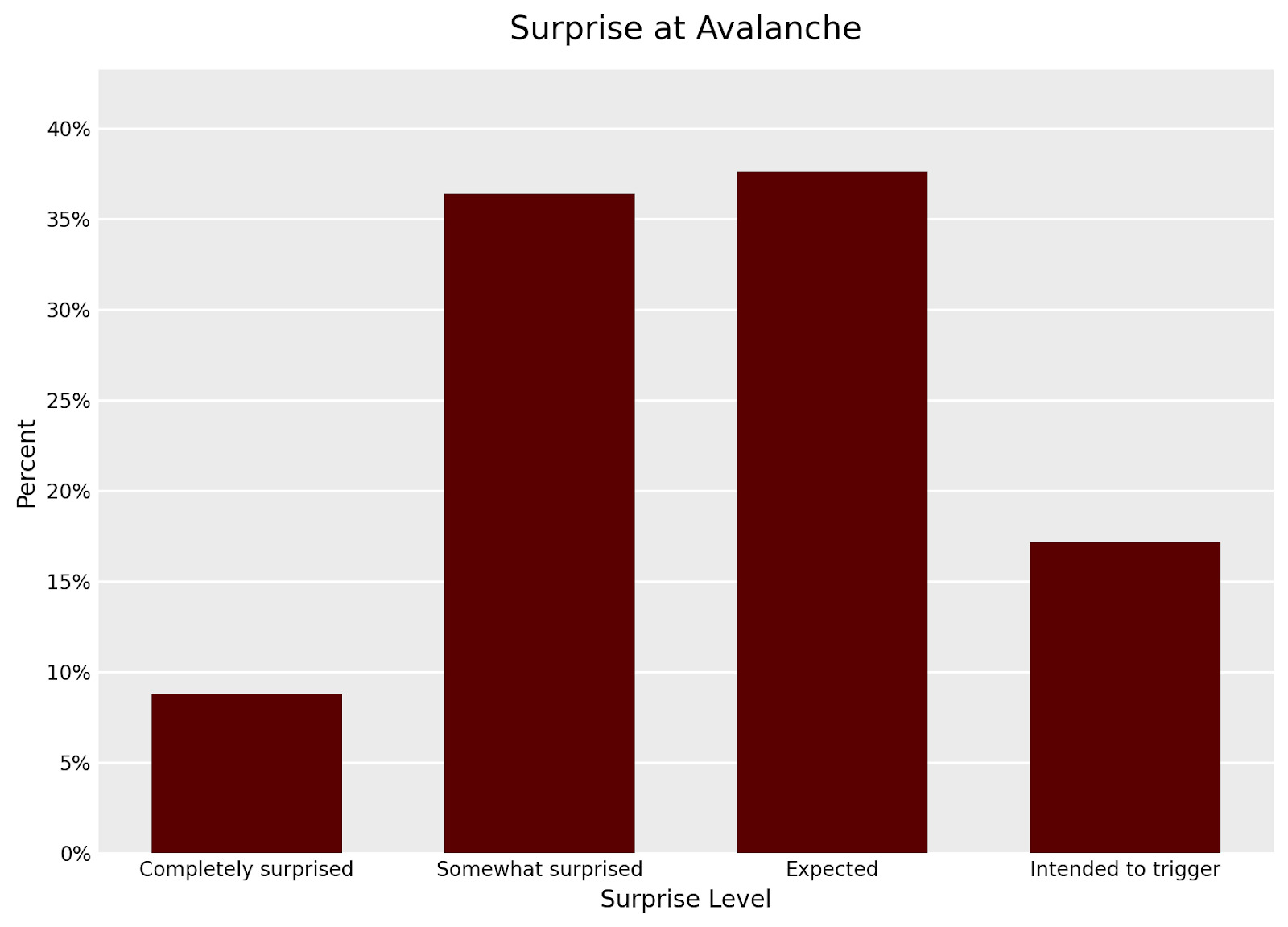
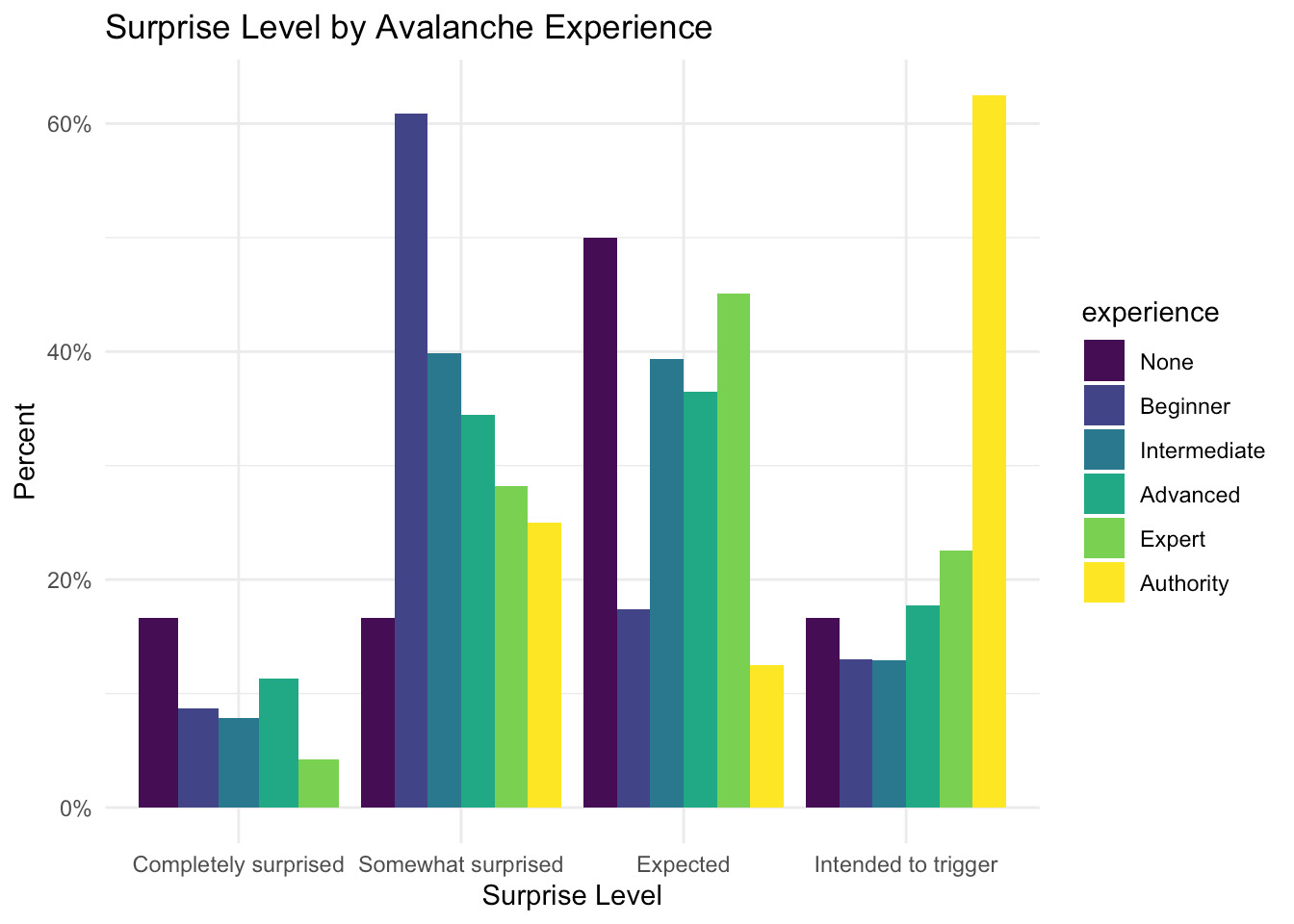
A total of 60.3 % of participants reported being surprised by at least one aspect of their avalanche. Regarding overall perceptions, 37.6 % expected the avalanche, 36.4 % were somewhat surprised, 8.8 % were completely surprised, and 17.2 % reported intending to trigger the avalanche. Experience level was significantly associated with being surprised (χ²(5) = 11.9, p = 0.036) (Figure 3). Gender was not associated with overall surprise frequency (χ²(1) ≈ 0, p = 1.00). Age group was not significantly correlated with surprise level (Spearman ρ = –0.04, p = 0.39) .
._responses_on_a_4-poin.png)
._(.png)
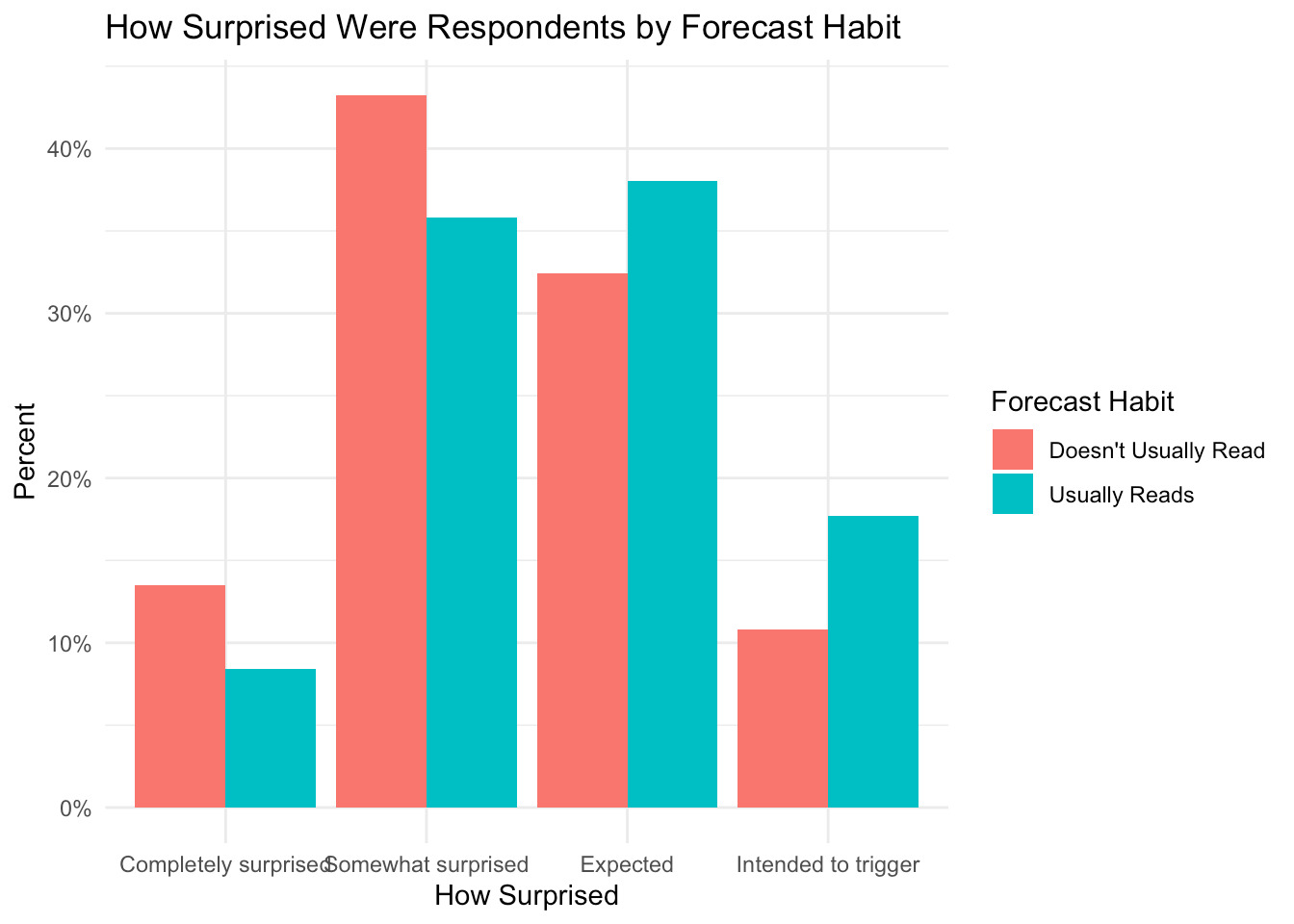
Participants who reported reading the avalanche forecast daily or most days were 10.8 percentage points less likely to report being surprised compared with those who read it infrequently (59.5 % vs 70.3 %, χ²(1) = 1.23, p = 0.27). This represents a weak, indirect relationship between consistent forecast reading and reduced likelihood of being surprised (RR = 0.85).
Reading the avalanche forecast on the day of the avalanche was also associated with a lower reported surprise rate (59.3 % vs 68.4 %, χ²(1) = 1.4, p = 0.24). Among participants who typically read the forecast regularly, those who skipped reading it on the day of their avalanche were more likely to be surprised than the average population (69 % vs 60.3 %, p=0.27).
._(1)_.png)
3.3. Retention of forecast information & its relationship with surprise
Overall, participants’ recall of avalanche forecast details showed a weak but statistically significant correlation with surprise level (Spearman ρ = 0.09, p = 0.038), where higher recall was modestly associated with reduced surprise. However, the logistic regression model indicated no meaningful effect of information retention on the likelihood of reporting surprise (OR = 0.95, 95% CI 0.83–1.08, p = 0.45). Thus, while higher recall was modestly correlated with lower surprise, the relationship was weak and inconsistent.
To further examine factors associated with surprise, a multivariable logistic regression model was constructed with any surprise (binary: surprised by at least one avalanche characteristic vs. not surprised by any) as the dependent variable. Predictors were entered simultaneously based on theoretical relevance: self-reported experience level (ordinal 1–6, treated as continuous), age group (categorical: 18–30 [reference], 31–50, 51+), gender (male [reference] vs. female; eight participants identifying as other/not reported were excluded from this analysis), habitual forecast reading (habit [reference] vs. non-habit), whether the forecast was read on the day of the incident (yes [reference] vs. no), and days per winter (ordinal 1–5, treated as continuous). Number of winters in the backcountry was excluded due to collinearity with age (Spearman ρ = 0.72). Variance inflation factors for all retained predictors were below 1.4, confirming no problematic multicollinearity.
The analytic sample comprised 481 participants (290 events, 191 non-events; 41.4 events per predictor, satisfying the ≥10 rule of thumb). No individual predictor reached statistical significance at p < 0.05 in the adjusted model, though days per winter approached significance (aOR = 0.78, 95% CI 0.61–1.01, p = 0.058). Overall model discrimination was modest (AUC = 0.602; Nagelkerke R² = 0.037), indicating that the predictors examined explain only a small proportion of the variance in surprise.
4. Discussion
Ultimately, our results demonstrate that the majority of people who were involved in avalanches, were surprised by one or more parts of the avalanche. Within this population, we determined that as participants experience level increased, their likelihood of being surprised by the avalanche decreased. Ultimately, however, our results were unable to provide a conclusive individual predictor of participant surprise.
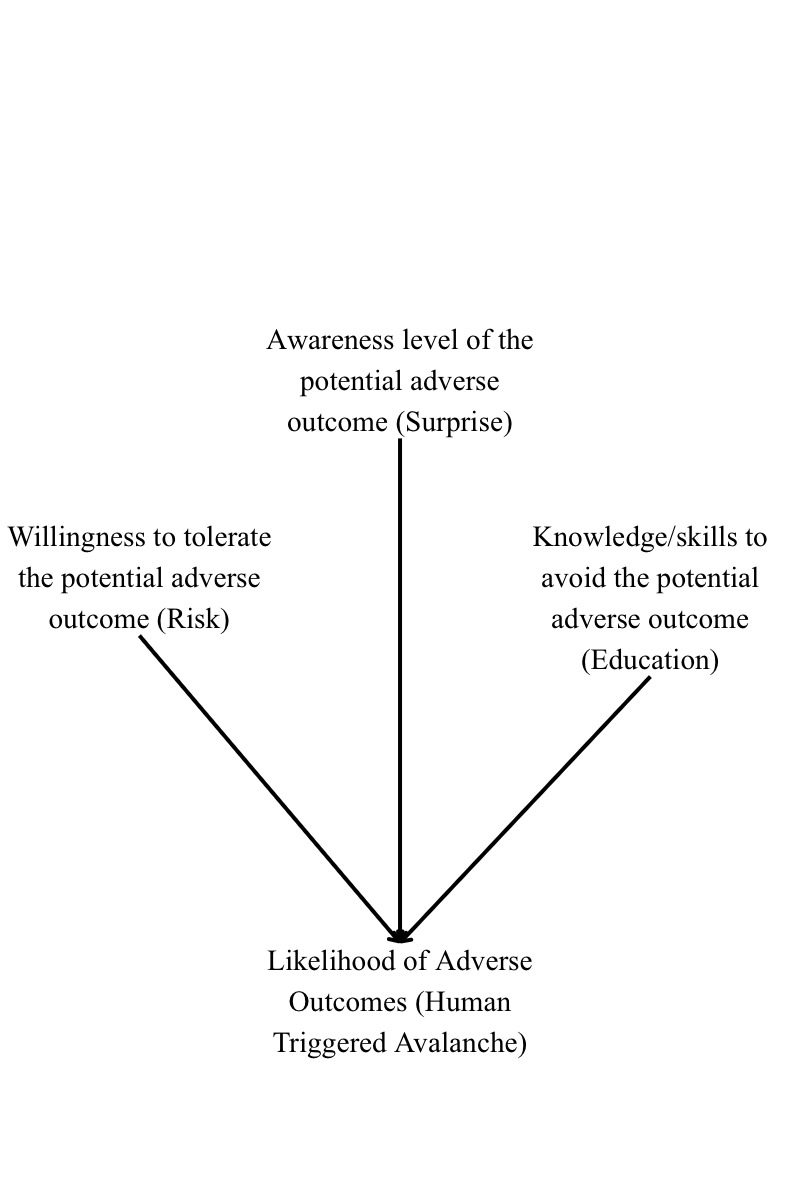
Our results do, however, further help us theorize about the relationship between risk, surprise, and outcomes. The foundation of this study was the idea that there are two main drivers to adverse outcomes in the backcountry, a participant’s willingness to tolerate the potential adverse outcome, or their risk level, and a participant’s knowledge of or their awareness of the potential adverse outcome, which we refer to as their surprise level. We proffer that human triggered avalanches are, in part, due to knowingly putting oneself in danger, which is a risk, or unknowingly putting oneself in danger, which is a surprise (Figure 7). Given the large body of existing work regarding risk,5–7 this work emphasizes the latter, focusing on the impact that knowledge has on the outcome.
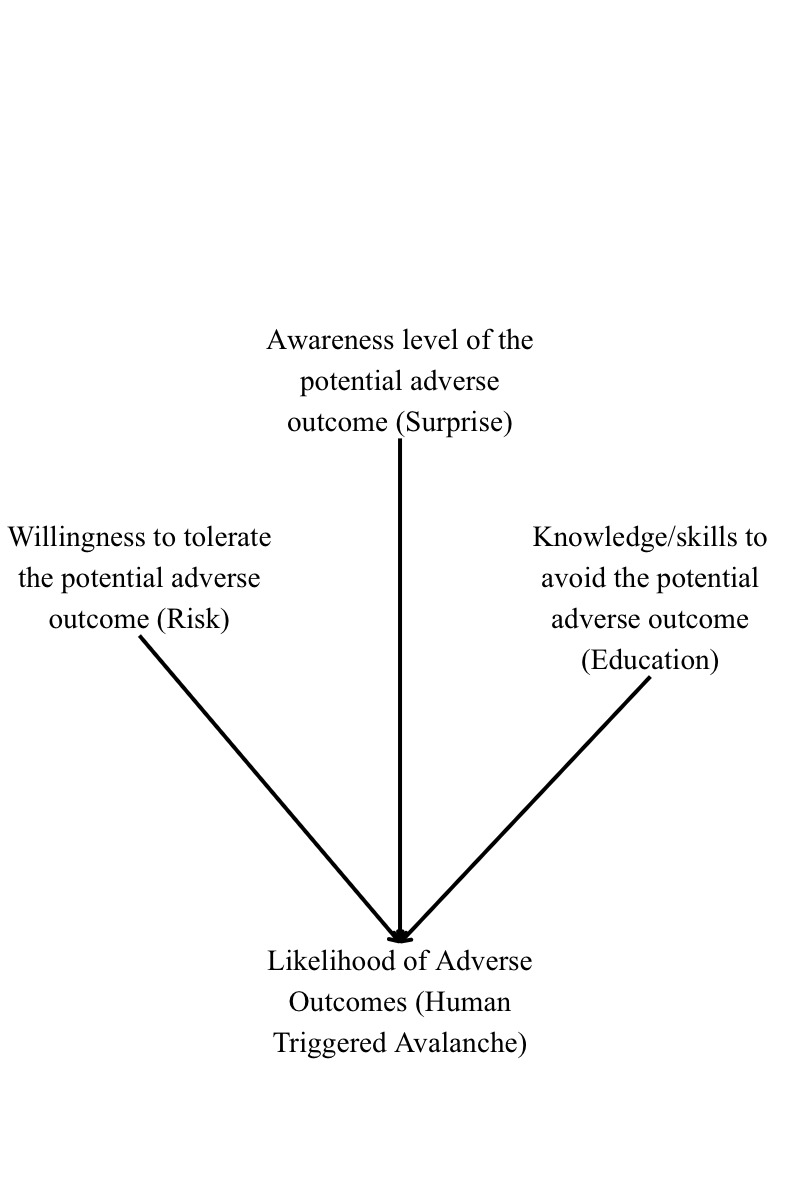
4.1. Initial Emerging Framework:
We propose a theory-informed, exploratory framework to conceptualize the role of surprise in human-triggered avalanches. In this study, surprise is defined as an expectation violation—a mismatch between anticipated and actual conditions encountered during an avalanche event. This conceptualization draws from principles in cognitive psychology and decision science, including expectation violation and prediction error frameworks,8,9 situational awareness theory,10 and behavioral economics.11,12
Within this framework, adverse outcomes in the backcountry may arise from two distinct but interacting pathways: (1) risk tolerance, in which an individual knowingly accepts the potential for harm, and (2) expectation gaps, in which an individual is unaware of or misjudges the conditions, resulting in surprise. Unlike risk perception and uncertainty, which are prospective constructs that influence decision-making before an event, surprise is a retrospective indicator of a breakdown in situational awareness, encompassing failures in perception, comprehension, or projection of environmental conditions.10
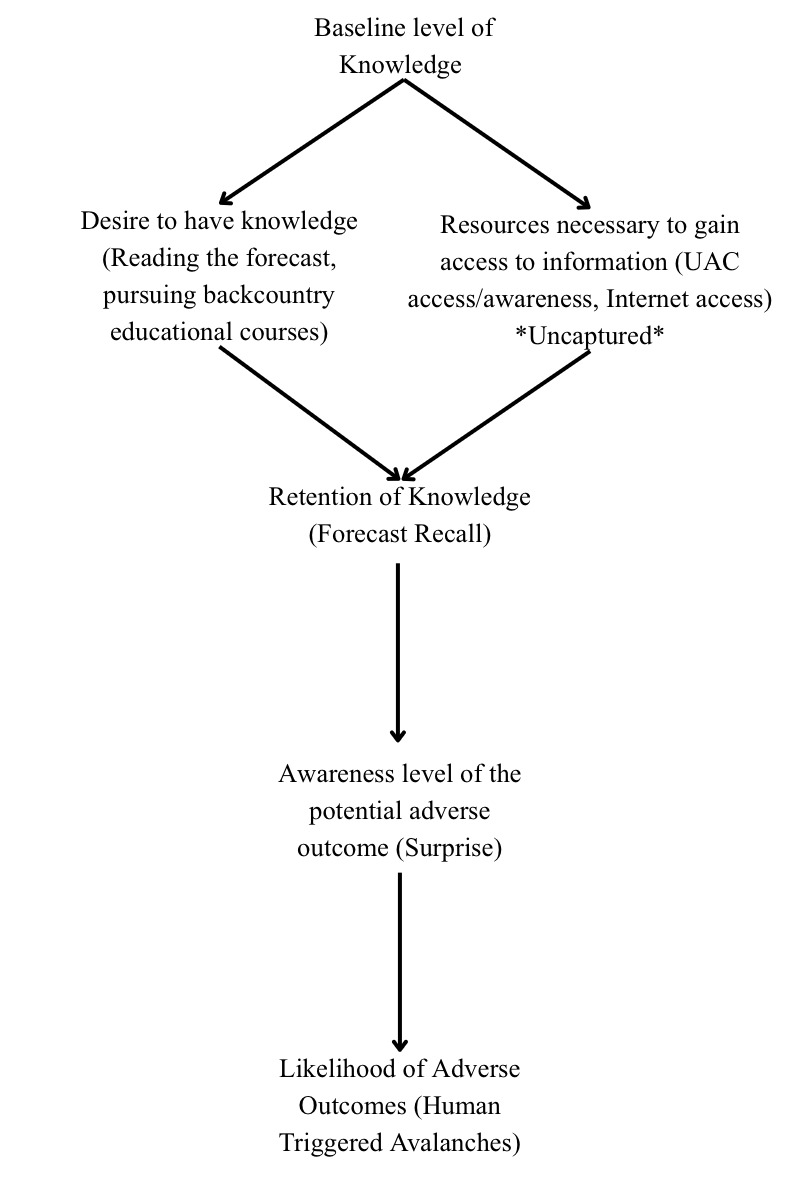
We posit that these expectation gaps may arise from incomplete mental models, reliance on heuristics, or bounded rationality in complex environments.11,12 Within this model, knowledge acquisition behaviors—such as avalanche forecast reading—may serve as modifiable factors that reduce expectation gaps and, in turn, decrease the likelihood of adverse outcomes. This framework is intended to be hypothesis-generating and provides a foundation for future empirical validation.
4.2. Interpretation of Results
Our findings demonstrate that there are several different components at play when it comes to gaining access to knowledge, that are variable on an individual and population based level. We propose the following framework as a preliminary explanation for the relationship between surprise and human triggered avalanches (Figure 8).
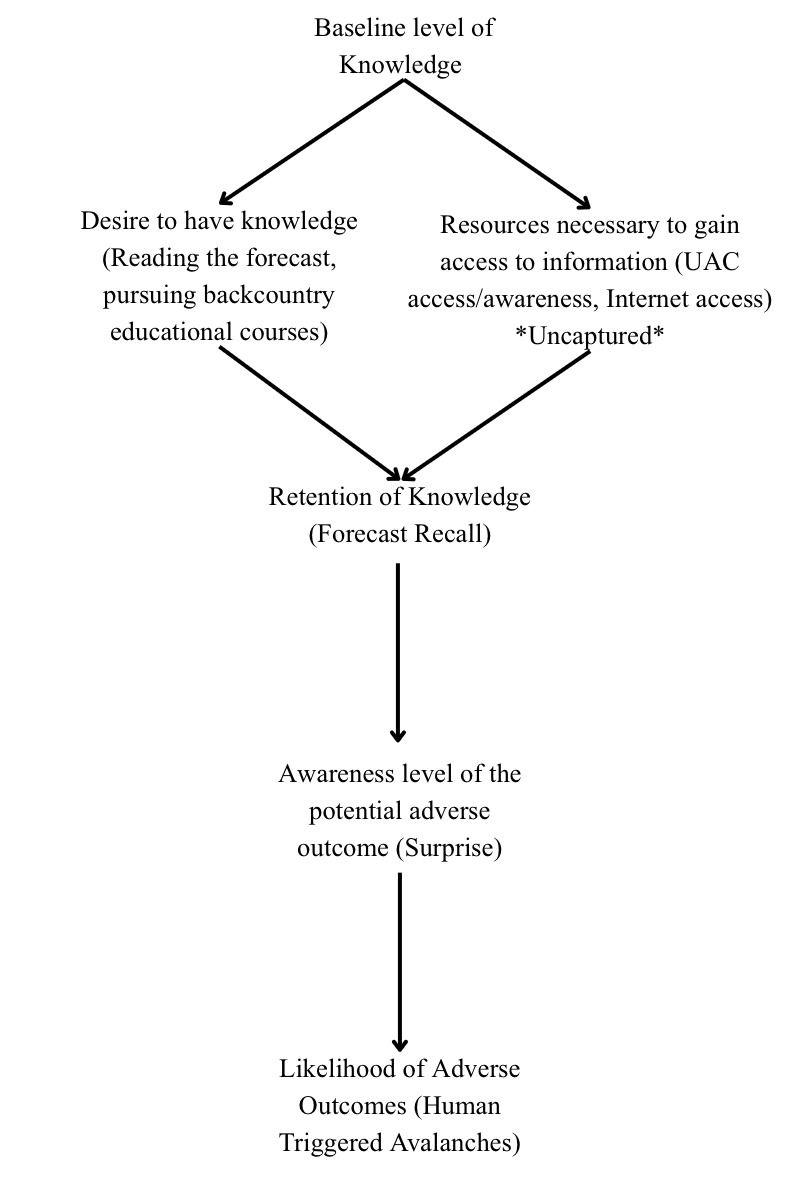
This framework, while novel and theoretical, serves to combine and expand upon the current understanding of avalanche decision-making. Previous work has demonstrated the key impact of knowledge retention in backcountry decision-making,13,14 as well as the components of the desire for knowledge.5 Our study investigates how these components relate to level of surprise in the context of the adverse outcome.
4.3. Justification for Proposed Framework
The proposed framework is supported by established theories in cognitive psychology, decision science, and behavioral economics, which collectively emphasize the role of expectation, information processing, and situational awareness in complex decision-making environments.
Expectation violation and prediction error theories suggest that individuals form predictions about their environment and experience surprise when those predictions are not met.8,9 In high-risk, dynamic settings such as the backcountry, these mismatches between expected and actual conditions may have significant consequences. Similarly, situational awareness theory, as described by Endsley, conceptualizes effective decision-making as dependent on accurate perception, comprehension, and projection of environmental elements.10 Within this context, surprise may represent a measurable outcome of failure at one or more of these levels.
From a behavioral economics perspective, individuals operating in uncertain environments often rely on heuristics and simplified mental models, which, while efficient, may lead to systematic errors.11,12 These cognitive shortcuts can contribute to mismatches between expected and actual conditions, particularly in environments characterized by limited feedback and evolving risk.
Importantly, existing avalanche literature has predominantly focused on risk-taking behavior and decision-making strategies, with less attention given to expectation gaps as a distinct contributor to adverse outcomes.4–7 Our findings, demonstrate that a substantial proportion of individuals report being surprised by avalanche events and that increased engagement with avalanche forecasts is associated with reduced surprise, provide preliminary empirical support for this construct.
Taken together, these theoretical and empirical considerations support the plausibility of our proposed framework. While exploratory, it offers a structured approach to understanding how knowledge, awareness, and cognitive processing interact to influence outcomes in avalanche terrain and may inform future research aimed at improving education and risk communication strategies.
4.4. Clinical Impact of this work
Previous work by Petelinsek et al15,16 has highlighted the connection between the clinical environment and the backcountry environment. This work suggests that environments in which feedback is limited, variable, or inconsistent such as the backcountry environment and the emergency department, are subject to increased decision-making errors. Petelinsek’s work further iterates that by learning about the backcountry environment, and experiencing decision-making pitfalls within these spaces, we may be able to decrease decision-making errors within the clinical space.15,16 Cognitive biases and heuristics have major influences on clinical decision-making, with nearly 20 different types of cognitive biases being identified as impacting the clinical space.17–19 Many of the same human factors influencing decision-making in avalanche terrain, parallel decision-making factors within the clinical space including; overconfidence, anchoring bias, and the availability heuristic.15,16 These decision-making errors are just as risky in the clinical space as they are in the backcountry space, with as many as 77% of decision-making errors resulting in a medical error.19
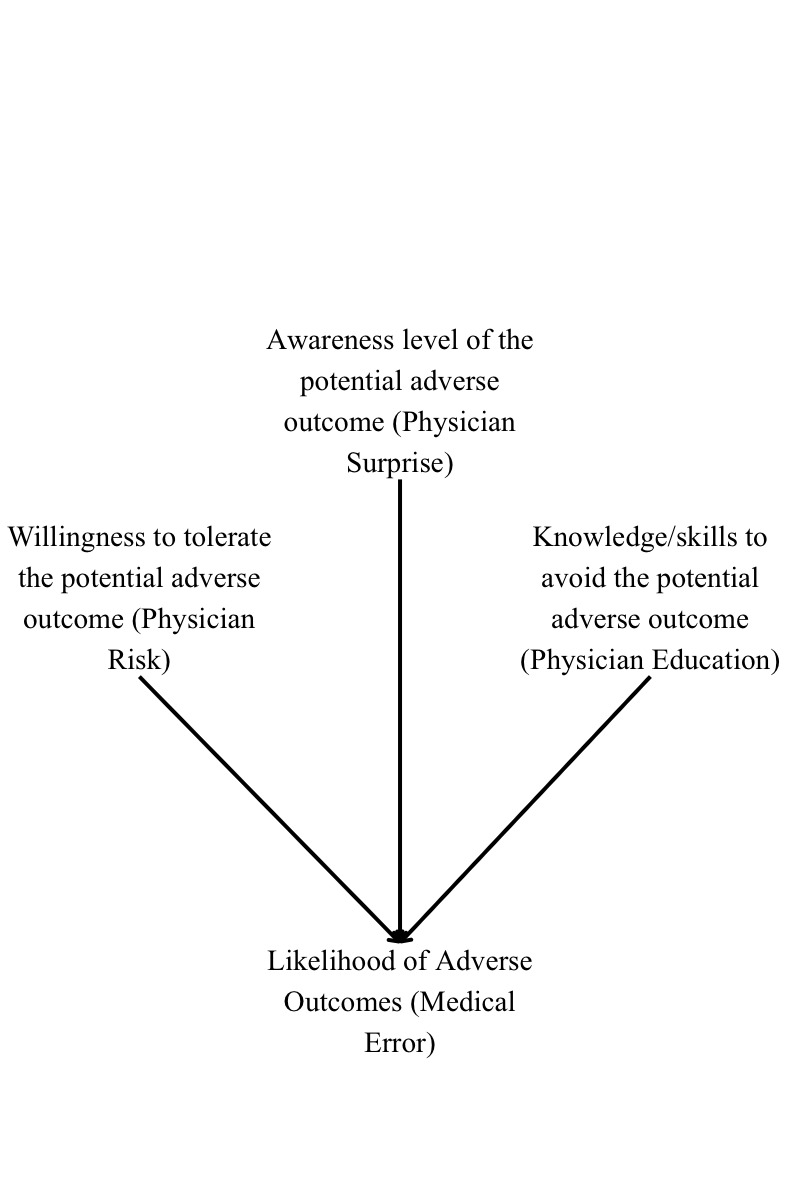
We suggest that the results outlined in this study may translate to the clinical environment similarly to the other decision-making errors as discussed by Petelinsek et al.15,16 We offer that human factors in patient outcomes may follow a similar conceptual framework to the conceptual framework we outlined for the human triggered avalanche in Figure 7. We suggest that the human factors influencing adverse patient outcomes include: physicians’ risk, physicians’ awareness of complications, and physicians’ knowledge/skill (Figure 9).
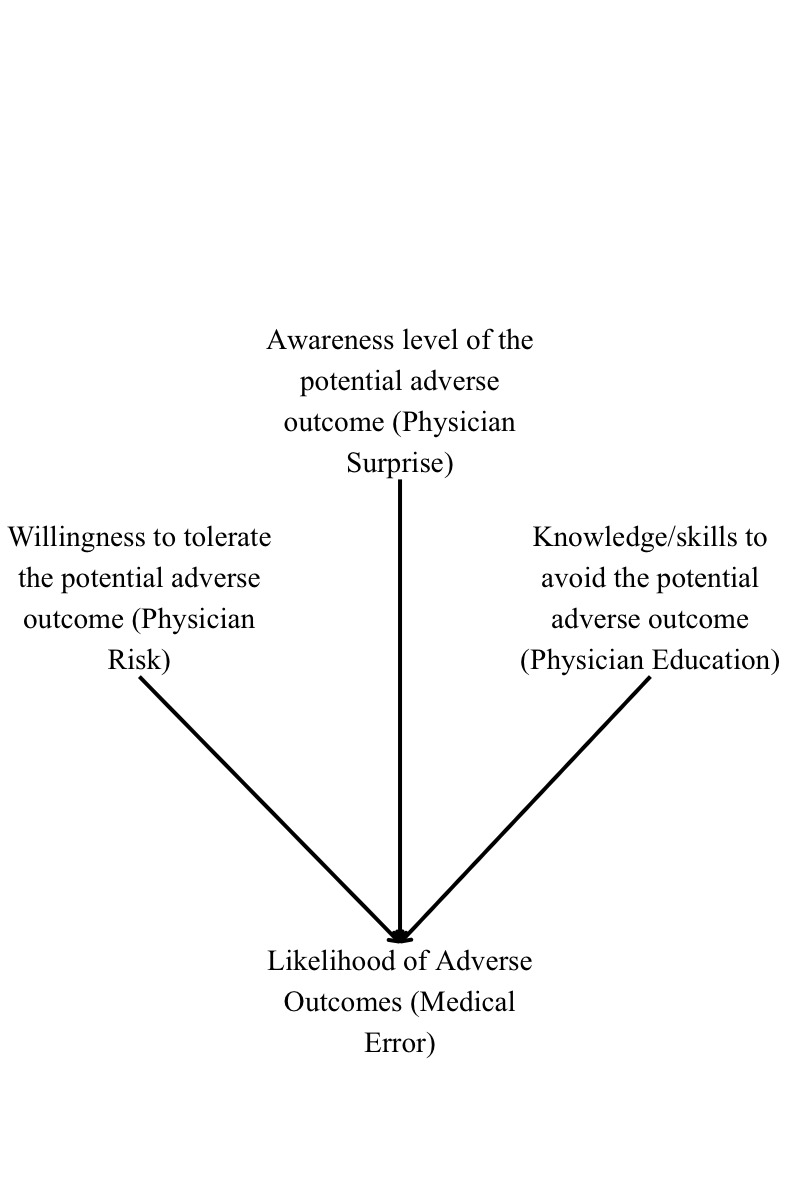
In addition, our results suggest the impact and importance of habits on clinical practice. If Petelinsek’s proposed theory is held to be true and the clinical environment parallels the backcountry environment, then the forecast reading behavior results of this study could also apply to the clinical environment. This studies results suggest that daily information gathering, increases the awareness level of adverse outcomes, thus decreasing surprise and potentially decreasing the likelihood of adverse outcomes. These results are well supported by the literature.20–22
4.5. Educational Impact of this work
The results of our study demonstrated a statistically significant relationship between surprise (or awareness of the adverse outcome) and experience, such that as participants experience increased their likelihood of being surprised by the avalanche decreased. This suggests that there is a critical skill gap such that less experienced backcountry participants may have less foundational knowledge thus increasing their likelihood of not being aware of the potential adverse outcome. One explanation for this finding is the lived knowledge and experiential learning that comes from increased time in the backcountry space. This highlights the possibility for experiential learning initiatives to decrease this skills gap.
We believe that one potential mechanism for this experiential learning initiative is additional educational modalities similar to that piloted by Petelinsek et al. In this pilot study, the team focused on discussing decision-making errors and lapses in situational awareness real-time, and connected these experiences to another environment in which the participants were familiar. Additional targeted education strategies that emphasize human factors may help to decrease this concern.
If these results of this study, that surprise decreases as experience increases, is extrapolated to the clinical environment, it raises the possibility that as clinical experience increases, so does the awareness of adverse clinical outcomes, potentially decreasing the likelihood of adverse clinical outcomes. This, again, supports the importance of experiential learning. As discussed, Petelinsek et al’s initial work suggests that the utilization of parallel learning environments may increase participant knowledge in the clinical environment.15,16 It also raises questions regarding the possibility of simulated learning environment to decrease surprise, as well as novel haptics studies such as that discussed by Morris et al to decrease skills gaps and efficiently increase exposure to adverse clinical outcomes.23
4.6. Limitations
This study has many limitations and as such should serve as a preliminary foundation for future research, but we hesitate to draw any definite conclusions across the backcountry population or otherwise. First, the sample is limited by geographical constraints. The population utilized for this study represents a single geographical domain, and only those with access to the UAC. This limits generalizability significantly and renders us unable to investigate the resources component of our theoretical framework. In addition, the population utilized in this study were engaged members of the UAC. This makes them likely to be more experienced and engaged than people not utilizing the UAC introducing selection bias. Our sampling method was a census strategy. This means were were unable to capture non-responders. We are. Unable to report on response rates, and do not have a mechanism to determine if all the human triggered avalanches reported to the UAC are representative of all human triggered avalanches occurring in the Utah backcountry area. This also limits our study. Additionally, we utilized self reported data which introduces bias in the data. In particular, the primary concept being analyzes, surprise, is self-reported and retrospective and therefore highly subject to self-report bias. Future research should focus on measures of level of surprise, knowledge retention, desire for knowledge, and baseline knowledge, as opposed to self-reported levels of this domains, as well as investigate a broader population, including those who may not have access to avalanche resources, or may not utilize these resources. As a result of these significant limitations, this work should serve as hypothesis-generating rather than confirmatory.
5. Conclusion
Ultimately, this work serves as a preliminary investigation into the role that surprise plays in human triggered avalanches. We found that more than half of the population who report being involved in a human triggered avalanche were surprised by the result, and that these surprise levels decreased as a result of increased forecast reading, suggesting that knowledge may play a role in the avalanche decision-making matrix. We also provide a theoretical framework that expands upon existing literature and serves as a foundation for future research in human factors in decision-making in the backcountry. Overall, this work is exploratory in nature and serves to guide future work within this area.
Ethics Approval
This study was given a non-human subject determination by the University of Utah Intuitional Review Board on July 3rd, 2025 (IRB_00191772). The need for informed consent was waived due to the retrospective nature of the study and all data was de-identified.
Availability of Data and Material
The data that support the findings of this study are available from the corresponding author upon reasonable request.
Competing Interests
The authors declare that they have no known competing financial interests or personal relationships that could have appeared to influence the work reported in this paper.
Funding
This research received no specific grant from any funding agency in the public, commercial, or not-for-profit sectors.
Author Contributions
SP conceptualization, data curation, formal analysis, investigation, project administration, resources writing - original draft. JJ conceptualization, data curation, writing - original draft. RK data curation, formal analysis, software, visualization, writing - review & editing. NC conceptualization, project administration, data curation, resources, writing - review & editing. MM conceptualization, writing-review & editing. TAH reviewing, editing. PGH conceptualization, investigation, project administration, resources, supervision, writing - review & editing.
Acknowledgements
None
Disclaimers
Findings represent the work of the authors and not their institution.